
That Grease Mark on Your Pet Food Bag Came From the Inside
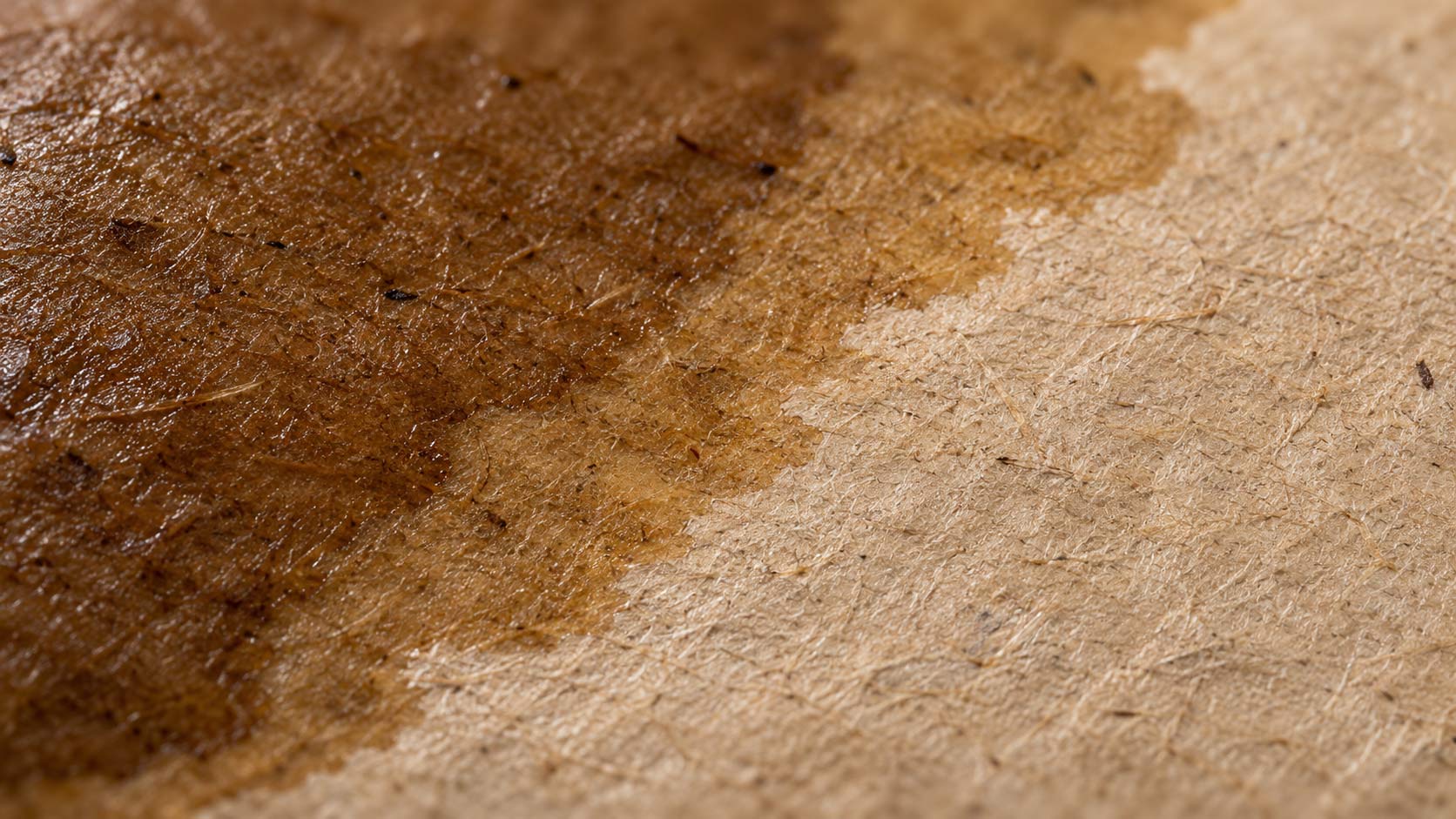
A dark patch spreading across a kibble bag looks like something leaked onto it in a warehouse. Usually nothing leaked onto it at all. Pet food is high in fat, fat migrates into the packaging from the inside, and the fix is a grease resistant structure rather than a thicker bag.
Overview
A retailer sends a photo of your bag with a dark patch spreading from one corner. A distributor asks whether a bag split in the case. Somebody suggests the warehouse floor was dirty. The bag is sealed, the seams are intact, and nothing spilled on it.
The mark came from the inside. Pet food carries more fat than almost anything else sold in a flexible bag, and fat does not stay where you put it. This guide covers how fat migrates into packaging, why it reads as a defect when it is really a material mismatch, which products push hardest on this, and what to specify so it stops happening.
Fat Does Not Stay Put
Pet food is built to be fat rich because fat carries calories, flavor and the palatants that make an animal want to eat. Kibble is coated with it after cooking. Raw and freeze dried products are often mostly fat and protein by weight.
That fat is mobile. Over weeks and months, and much faster when it is warm, it works its way out of the food and into whatever it is touching. If the inside of your bag is a material that fat can enter, it will enter it, spread sideways through the layer, and eventually show on the outside as a darkened translucent patch.
Nothing has failed in the sense of a hole or a broken seal. The package is doing exactly what its materials allow, and the materials were chosen for a product with less fat in it.
What It Looks Like on the Shelf
The reason this matters is not chemistry, it is how it reads to a customer standing in an aisle.
- A darkened patch on a paper or kraft bag looks like water damage or age, and customers reach past it for a cleaner looking bag.
- On a printed surface the mark can make colors look blotchy or uneven, which undercuts a premium design.
- Bags can feel slightly tacky, which people read as dirty even when the contents are perfect.
- Stacked bags can transfer marks to each other, so one problem bag becomes a shelf of them.
None of that affects whether the food is safe or fresh. All of it affects whether the bag sells, which is the job you were paying the packaging to do.
Why It Gets Misdiagnosed
The instinct is always that something happened to the bag. That instinct sends brands down the wrong road.
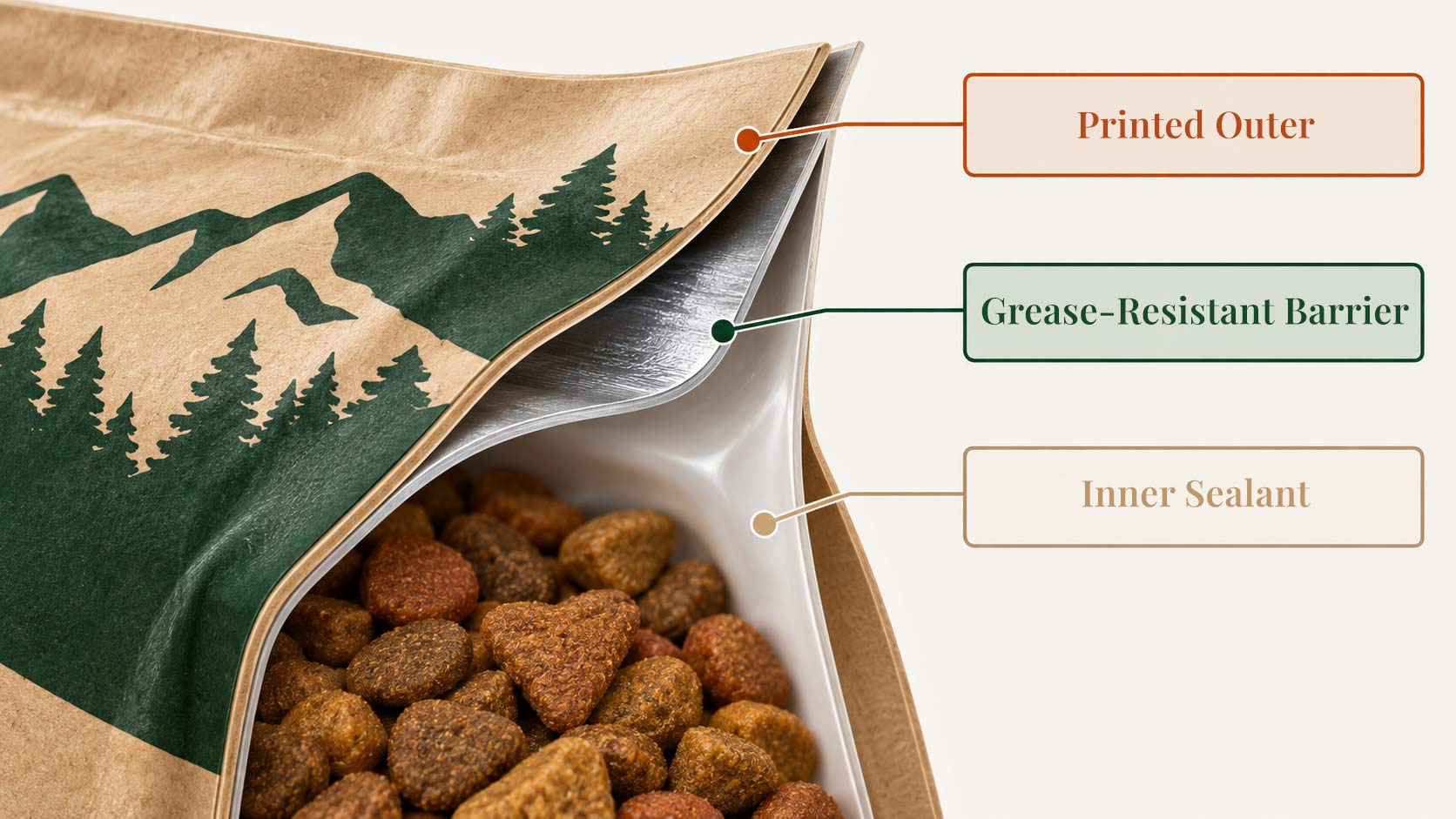
The usual response is to order a thicker bag. Thickness is not the variable here. A thicker layer of a material that fat can pass into just takes slightly longer to show the same stain. What actually stops it is a barrier the fat cannot enter, which is a question of what the layers are made of rather than how many mils they add up to.
The second wrong turn is blaming storage. Heat genuinely accelerates it, so a hot warehouse makes the problem appear sooner, but heat is not the cause. A correctly specified bag holds up in a hot warehouse, which is exactly why specifying for your real fat content matters more than controlling every place your bags will sit.
Which Products Push Hardest
Fat content is the number that predicts this, and it varies enormously across the category.
- Freeze dried and raw diets are the most aggressive, often extremely high in fat and frequently stored somewhere warm before use. Our raw and freeze dried packaging is built around exactly this.
- Performance and puppy formulas run much higher in fat than adult maintenance food, so the same brand can need two different structures across its own line.
- Heavily palatant coated kibble carries a surface layer of fat and digest that sits right against the bag wall.
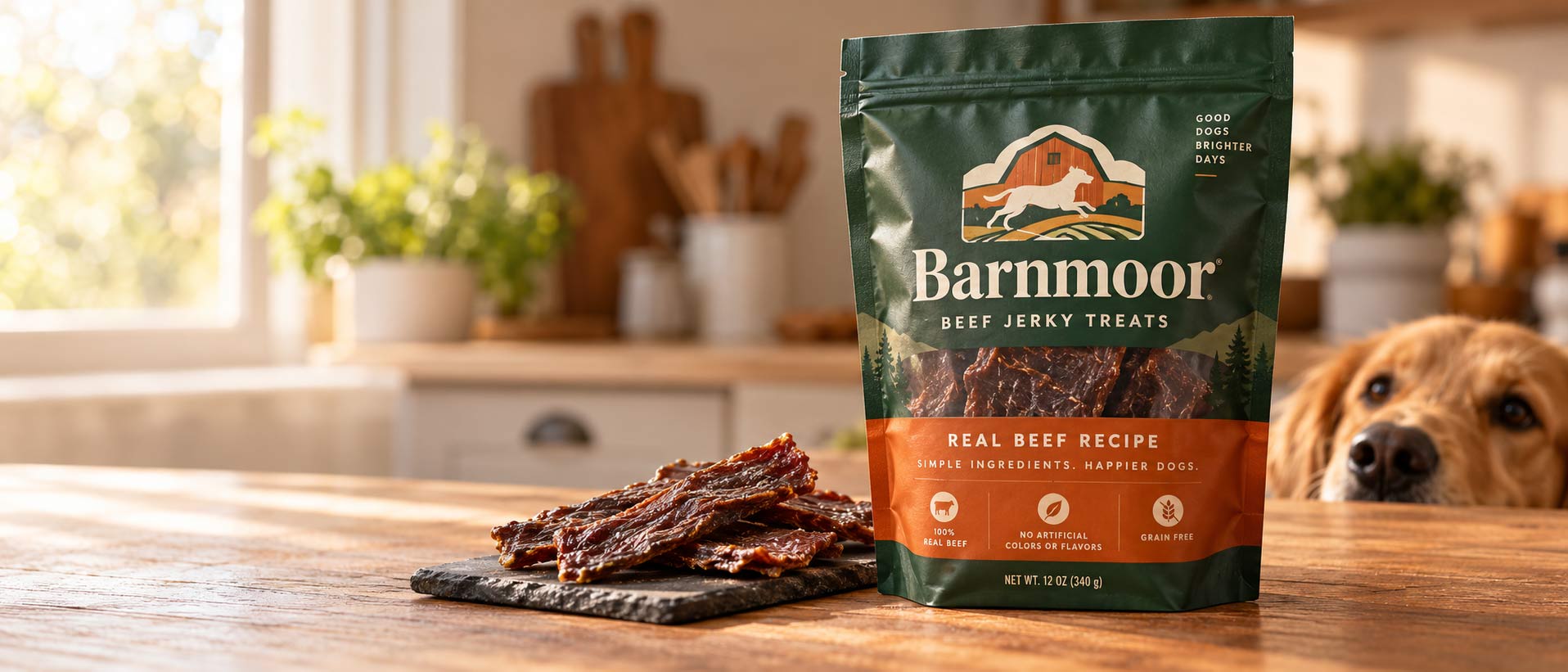
- Soft and semi moist treats combine fat with humectants, a combination that moves readily into packaging. Our treat and chew packaging accounts for that.
- Standard adult dry kibble is the mildest case, and is where most stock structures perform fine.
The trap is a brand that starts with a standard adult formula, picks a bag that works, then launches a high fat puppy or performance line and reuses the same spec.
What to Specify Instead of a Thicker Bag
The conversation to have with your packaging supplier is about fat, not about mils.
- Tell them your actual fat percentage, and the highest one across your line rather than the average.
- Ask specifically for a grease resistant structure, which is a normal packaging requirement and not an exotic request.
- Be careful with paper and kraft outers. They look wonderful and they are the most likely layer to show a stain, so they need a proper barrier behind them rather than film alone.
- Run your real formula in the test. A generic fill tells you nothing, because the whole variable is what your food is made of.
- Test warm. If a bag survives four weeks somewhere hot with your product in it, it will survive a shelf.
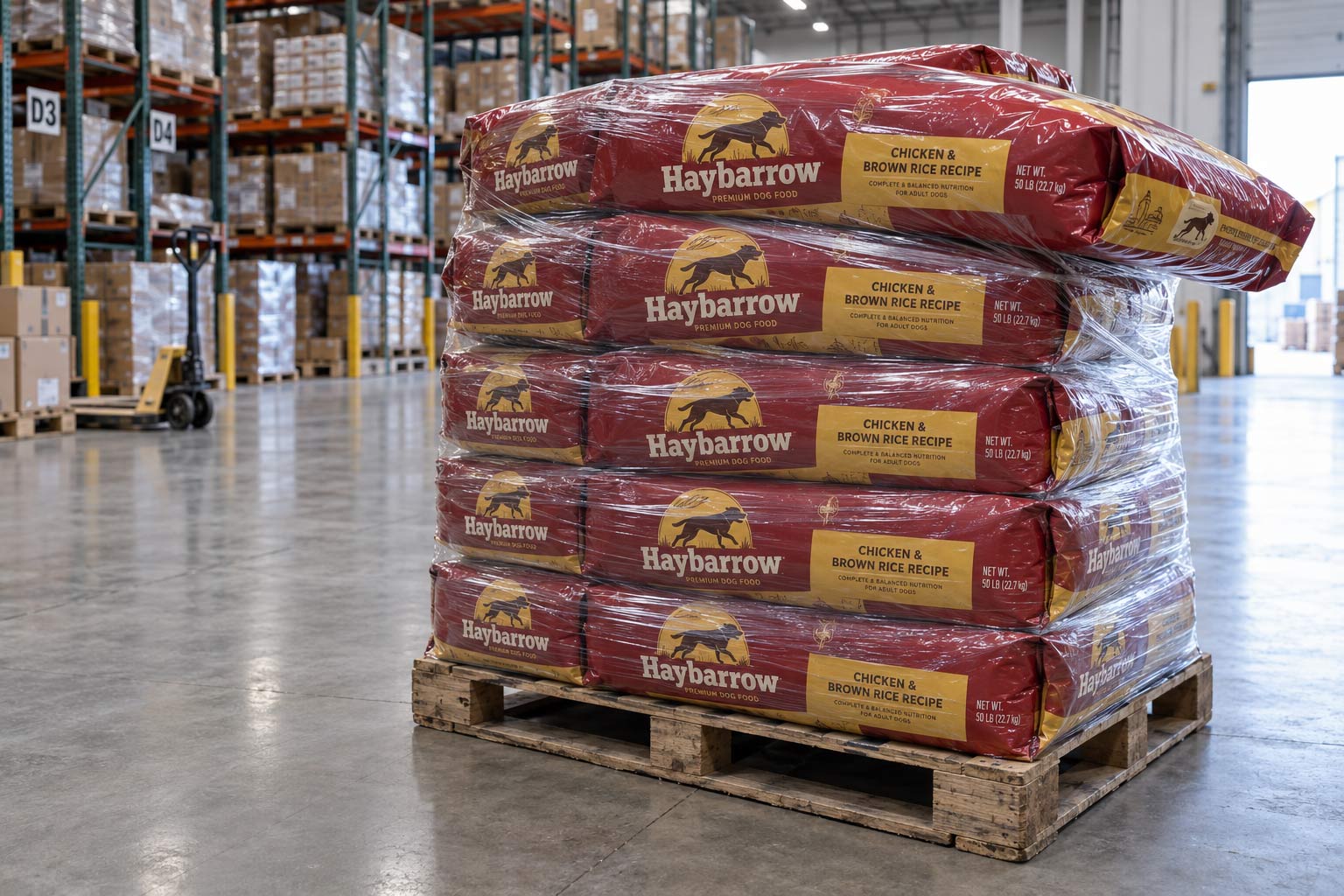
When you spec custom pet food bags, treat fat content as a headline number alongside bag size and fill weight. For large format dry food, where bags are heavy and sit on floors and shelves for weeks, it is worth confirming with your kibble and dry food bags too.
Wrapping It Up: Spec for the Food, Not the Format
Grease staining is one of the few packaging problems that looks like carelessness and is actually a spec decision made months earlier. Nobody dropped anything, nothing leaked, and no amount of careful handling in the warehouse will prevent it.
Tell your supplier how much fat is in the food and let the structure follow from that. Do it once at the start and your bags keep looking like the day they shipped, which is all a customer in an aisle ever sees.
Ready to Create Packaging Your Pets (and Customers) Will Love?
Let's bring your brand to life.
Get Started Today