
The Vitamins Were in the Bag. Light and Air Took Them Out.
A batch of food tests perfectly when it is made. Months later, a sample from the shelf comes back low on vitamins, and everyone starts questioning the recipe. The recipe was fine. Some vitamins and the healthy oils in pet food are fragile, and light and oxygen slowly break them down inside the bag. How much survives to the bottom of the bag depends a great deal on the package.
Overview
The food was perfect when it was made. The vitamins went in at the right levels, the fish oil went in for a healthy coat, and the first lab test came back exactly on target.
Then, months later, someone tests a bag pulled from a store shelf, and the numbers are lower. Not wildly off, but lower. The conversation that follows is almost always about the recipe or the supplier of the vitamin mix.
Very often, neither is the problem. The vitamins were in the bag. Light and air slowly took them out.
Some Nutrients Are Fragile
Here is the fact everything else depends on.
Not every nutrient is tough. Some vitamins, like vitamin A, vitamin E and riboflavin, break down when they are exposed to oxygen, light, heat or moisture. The healthy oils pet brands love to add, like fish oil for skin and coat, are some of the most fragile ingredients in the whole recipe, because they react easily with oxygen.
This breakdown is slow. It does not happen in a day or a week. It happens a little at a time over the whole life of the product, from the day it is bagged to the day the last scoop comes out. Anything that speeds it up, like more oxygen, more light or more warmth, means less of the good stuff makes it to the pet.
Light and Air Work as a Team
It helps to see how these two work together, because they make each other worse.
Oxygen is the main attacker. It reacts with fragile vitamins and oils and changes them into forms that no longer do their job. Light makes that reaction happen faster. Some vitamins, riboflavin in particular, are very sensitive to light, and food scientists describe light and oxygen working together to cause vitamin loss, fat breakdown and off flavors.
That is why the same food can hold up well in one bag and poorly in another. The recipe did not change. The amount of light and air reaching it did.
- Oxygen gets in through the film. A thin or low-barrier film lets oxygen slowly pass through the wall for the entire shelf life.
- Oxygen is sealed in with the food. The air in the empty space at the top of the bag brings its own supply.
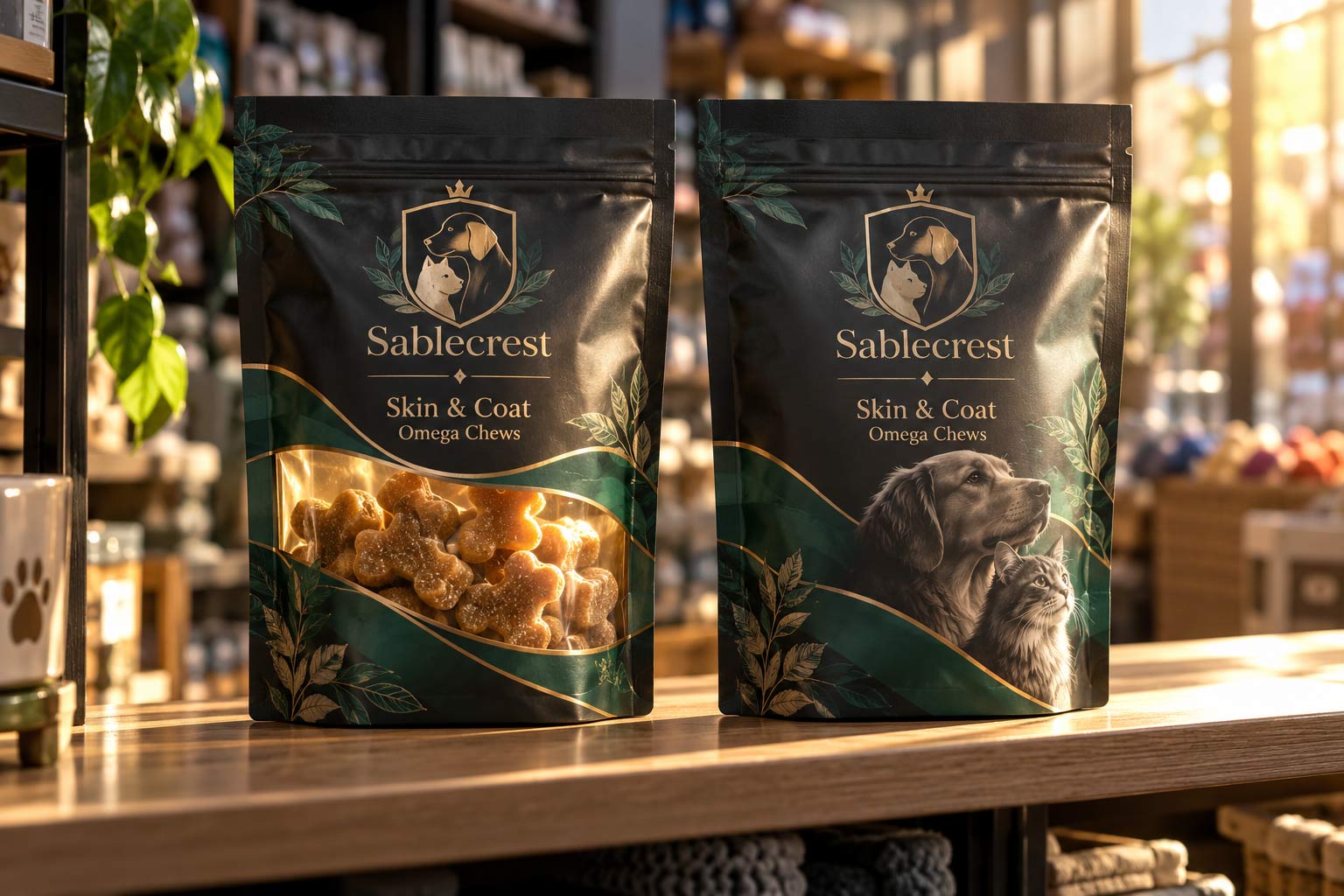
- Light comes through windows. A clear window is great for showing off kibble, but it also lets light reach the food sitting right behind it.
- Opening the bag adds more. Every time a customer opens the bag, fresh air rushes in, which is why a good closure matters too.
Why the Recipe Gets Blamed
This misdiagnosis makes sense. A low vitamin test looks like a formulation problem, and the formula is the thing everyone thinks about most.
But look at the pattern. The batch tested fine when it was made. The loss shows up later, and it is worse in bags that sat in bright light or had more air in them. Fresh bags from the same batch test better than old ones. A recipe problem would show up on day one. A packaging problem grows with time, and that is exactly what this looks like.
The rich, healthy fats behave the same way. When they break down, they can also start to smell stale or rancid, which our post on grease and fat in pet food bags touches on from a different angle.
How Packaging Protects the Nutrients
The good news is that the biggest levers are all packaging choices, and they work together.
The first is a real barrier. A film built to keep oxygen out slows the slow leak through the bag wall for the whole shelf life. The second is blocking light. An opaque or metallized structure keeps light off the food, and if you want a window, it can be kept small and placed where it matters least. The third is less air inside the bag at sealing. Less empty space means less oxygen sealed in with the food, and some brands also flush the bag with nitrogen or add an oxygen absorber, which we covered in our post on mold in sealed treat bags.
And finally, a closure that reseals well limits the fresh air that rushes in every time the bag is opened, which matters most for large bags that last for weeks.
How Savor Brands Handles This
Protecting fragile nutrients starts with knowing they are there.
- We ask what is in the recipe. Added vitamins, fish oil and other sensitive ingredients change what the structure needs to do.
- We specify the barrier for the shelf life. A product that has to hold its nutrients for a long time needs a stronger oxygen barrier than one that sells through fast.
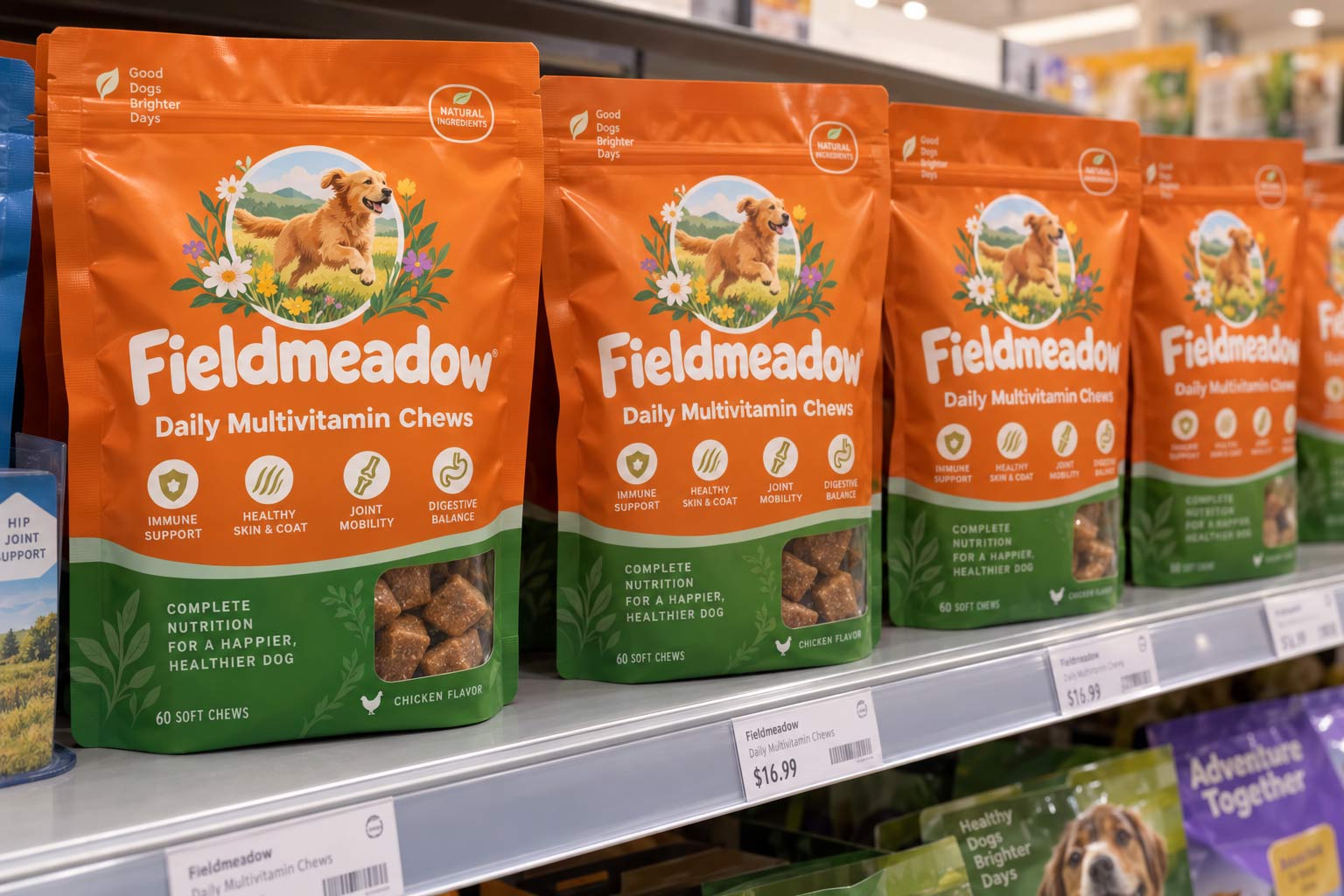
- We talk honestly about windows. A clear window sells kibble, so we help you decide whether you need one, how big, and where it does the least harm.
- We plan the headspace. Sizing the bag to the fill keeps extra air out, and we can talk through nitrogen flushing or absorbers with your co-packer.
- We match the closure to how the bag is used. Big bags that get opened every day need a closure that seals well every time.
For supplements in particular, our supplement packaging options are built around keeping light and oxygen away from sensitive ingredients.
Wrapping It Up: Test the Old Bag, Not Just the New One
If you want to know whether your package is protecting your nutrients, do not just test fresh product. Keep a few bags from a batch, store some in the dark and some under ordinary store lighting, and test them later in the shelf life. If the bags kept in the light or with more air come back lower, your recipe is fine and your package is the place to improve.
We are deliberately not quoting vitamin loss rates or label rules here. Those depend on your formula and your testing lab. What we can do is help you build a bag that keeps light and air away from the good stuff. Tell us what goes into your food, and we will help you protect it all the way to the last scoop, whether it is in kibble bags or something smaller.
Ready to Create Packaging Your Pets (and Customers) Will Love?
Let's bring your brand to life.
Get Started Today