
Your Bags Arrived Tight as Drums. They Went Over a Mountain.
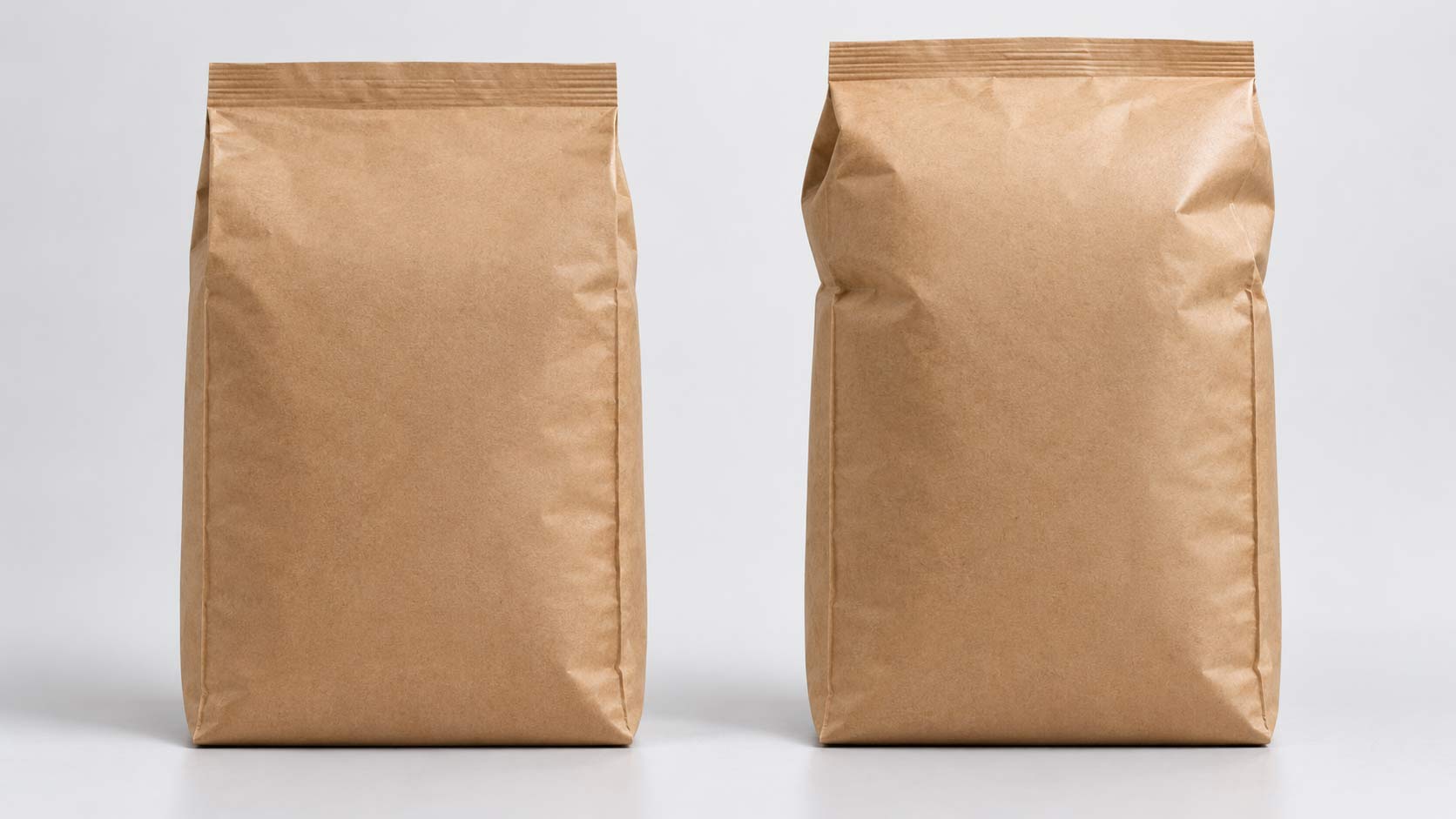
A load leaves your co-packer flat and square. It arrives looking inflated, the pallet has gone out of plumb, and a few bags have opened along a corner. Nobody dropped anything and nothing was overfilled. The air sealed inside those bags expanded, because the air outside them got thinner on the way, and a sealed bag has no way to let that go.
Overview
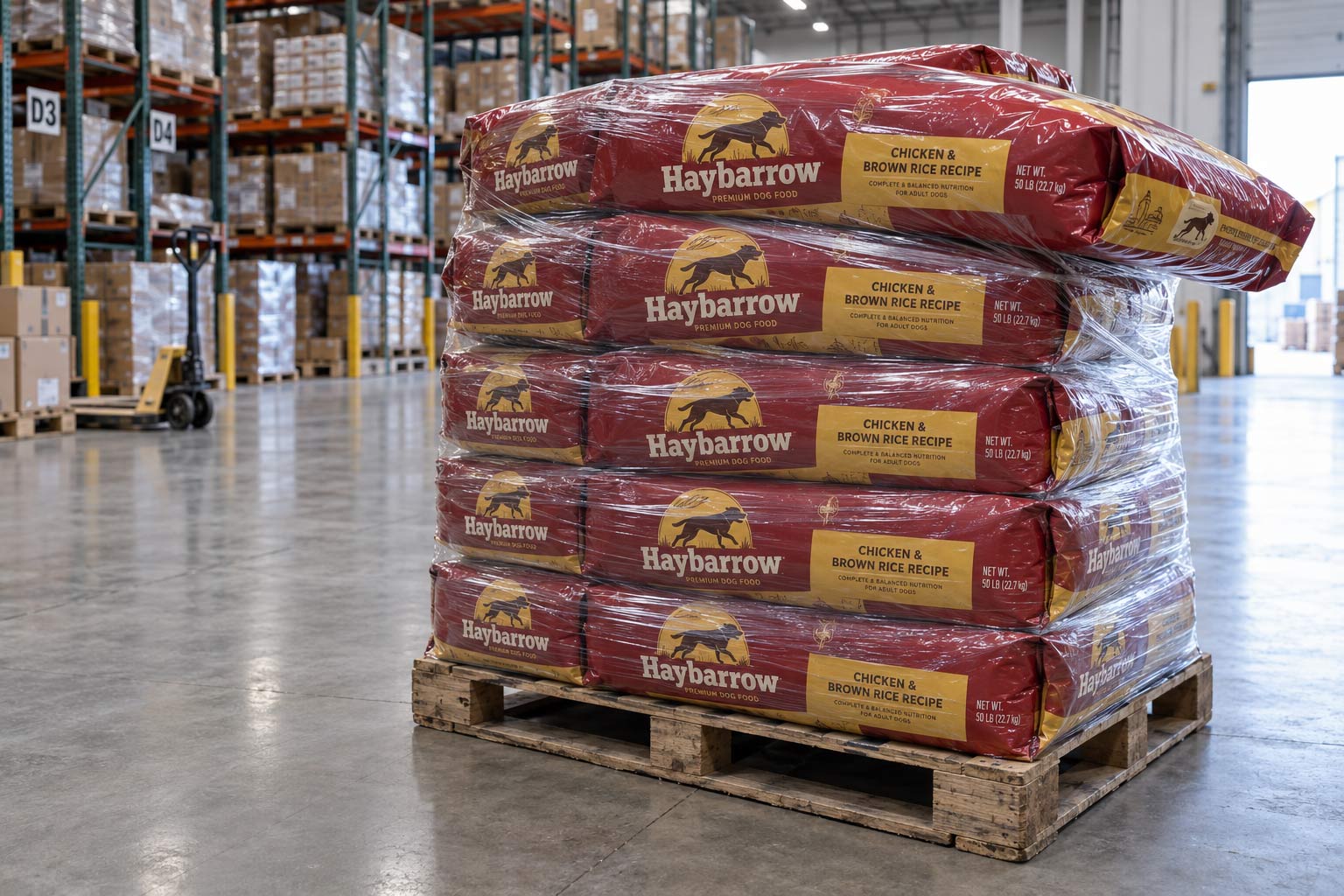
The load left flat and square. It arrives looking like it has been inflated: bags rounded and hard, the pallet bulging past its footprint, the top layer no longer sitting where the stretch wrap expects it. A few bags have let go along a corner seal.
The first theories are the obvious ones. Somebody overfilled them. The seals are weak. The warehouse stacked them badly. Sometimes one of those is true, but when a whole load comes in like this and the bags measure correctly and the fill weights are right, something else happened, and it happened to every bag at once.
What happened is that the air inside the bags got the chance to expand, and it took it.
A Sealed Bag Is a Pressure Vessel You Did Not Mean to Build
This is the fact the rest of the post hangs on, and it is easy to miss because it is invisible.
When a bag is sealed, whatever air is in it at that moment is trapped at the pressure of the room it was sealed in. That air is now locked in. It cannot get out, and no more can get in. The bag has become a small sealed container holding a fixed amount of gas.
Air pressure is not the same everywhere. It drops as you go up. So if that bag travels somewhere higher than where it was filled, the pressure pushing in from outside gets weaker while the pressure pushing out from inside stays the same. The trapped air expands until the bag stops it, and from that moment the difference is being carried by the bag itself.
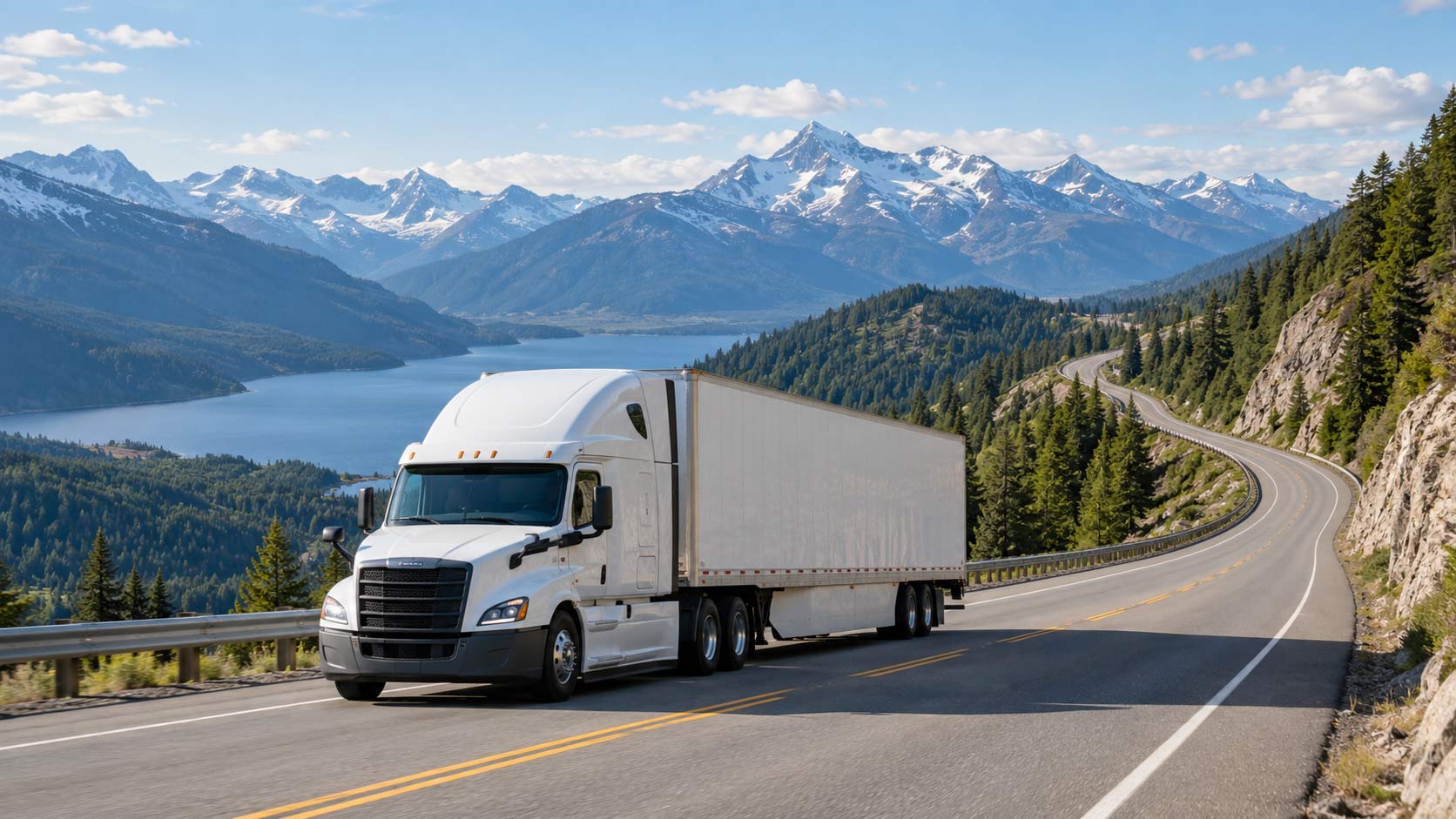
A truck over a high pass does this. So does air freight, because cargo holds are pressurized, but not to sea level. The bag does not know what route it took. It only knows the outside got thinner.
Heat Does the Same Thing, and They Add Up
Pressure is not the only lever, and the second one is why this often shows up worst in summer.
Gas expands when you warm it. A trailer sitting in the sun gets considerably hotter than the room the bags were sealed in, and the air inside every bag expands accordingly. That happens at any elevation, on any route.
Now put the two together. A hot trailer climbing to higher ground is pushing from both directions at once: the air inside is expanding because it is warm, and the air outside is giving way because it is thin. Neither effect alone is necessarily enough to matter. Together they are what turns a normal load into a pallet of drums.
Why the Corners Go First
A bag under internal pressure does not fail at random, and knowing where it fails tells you what to fix.
- Seals carry the load, not the film. The body of the bag is a continuous sheet and it is strong. A seal is a bond, and a bond is the weak line.
- Corners concentrate it. Where two seals meet, the stress has nowhere to spread, so a corner carries more than a straight run of the same seal.
- Big bags suffer more. A larger bag traps more air, so the same pressure difference produces a much larger total force trying to open it.
- Headspace is the fuel. The more air you sealed in, the more there is to expand. Two bags of identical product can behave completely differently if one was filled with more air.
- A bag already working hard has less margin. A seal with a little contamination in it, or one run slightly cool, may hold perfectly on a flat warehouse floor and not over a pass.
That last point is where this intersects with ordinary seal quality. A pressure event does not usually create a bad seal. It finds the ones that were already marginal, which is why a few bags in a load open and the rest do not. Our post on the seal that never closed covers what makes one marginal in the first place.
This Is Not the Same as a Dropped Bag
It is worth separating these two, because they get filed together as transit damage and they need different fixes.
A dropped bag fails from a sudden impact. The damage is local, there is usually a scuff or a crease where it landed, and it happens to individual bags rather than to a load. We covered that one in the post on drop bursting.
A pressure failure is slow, even and collective. Every bag in the shipment is inflated, not just the broken ones. The ones that opened are simply the ones that reached their limit first. If you are looking at a load where the intact bags are also rounded and hard, you are not looking at handling damage, and chasing the warehouse about it will not find anything.
How Savor Brands Handles This
Once you know a lane has elevation or heat in it, this is straightforward to design around. The problem is that nobody usually mentions the lane.
- We ask where it is going. Route, season and whether any of it flies. This is the single most useful piece of information and it is almost never in a packaging brief.
- We look at headspace with you. Less trapped air means less to expand, and headspace is usually set by the filling line rather than by anybody's decision.
- We can give the air somewhere to go. A one-way valve or controlled venting removes the problem outright, where the product and the barrier requirement allow it.
- We specify the seal for the job. Seal width, seal strength and corner detail are all adjustable, and a bag built for a flat regional route is not the same bag as one crossing a range.
- We choose the style with this in mind. Bag formats differ in how they take internal pressure, and some hold their shape under it far better than others. The kibble bag formats are not interchangeable in this respect.
Wrapping It Up: Tell Your Supplier the Route
The useful habit here costs nothing: treat the journey as part of the specification, not as something that happens after the packaging decision is finished.
If a load arrives inflated, check the intact bags before you check the broken ones. If the good bags are also hard and rounded, the shipment met a pressure change, and the answer is in headspace, venting and seal strength rather than in anyone's handling. If only a few are tight and the rest are normal, that is a filling variation and a different conversation.
And if you are quoting a new lane, especially one that gains elevation or runs through summer heat, say so up front. A bag is specified against the conditions somebody describes, and a route nobody mentions is a condition nobody designed for. Tell us where your bags travel and we will build for it rather than around it.


Ready to Create Packaging Your Pets (and Customers) Will Love?
Let's bring your brand to life.
Get Started Today