
The Same Bags Stacked Fine in January. In July They Slid.
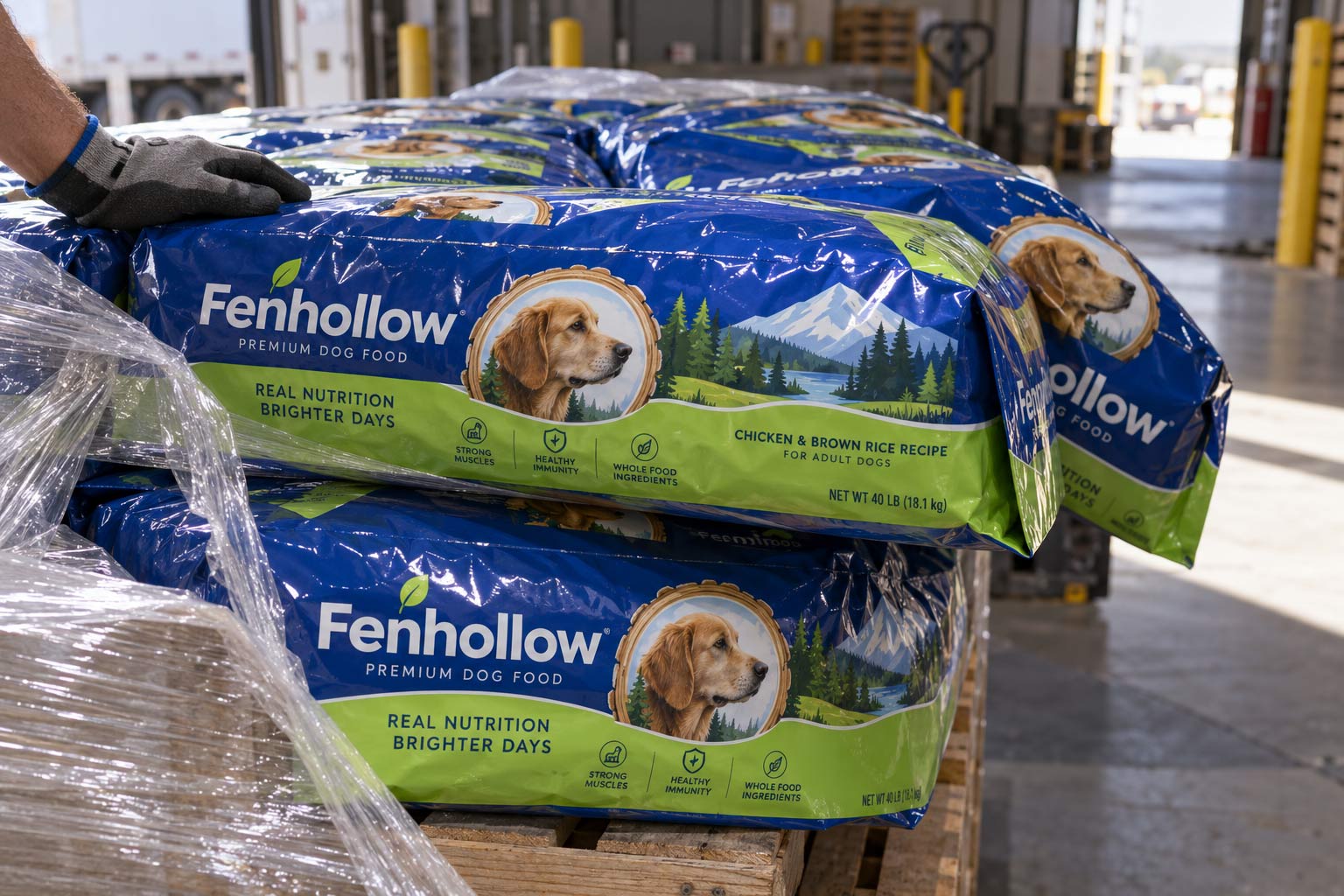
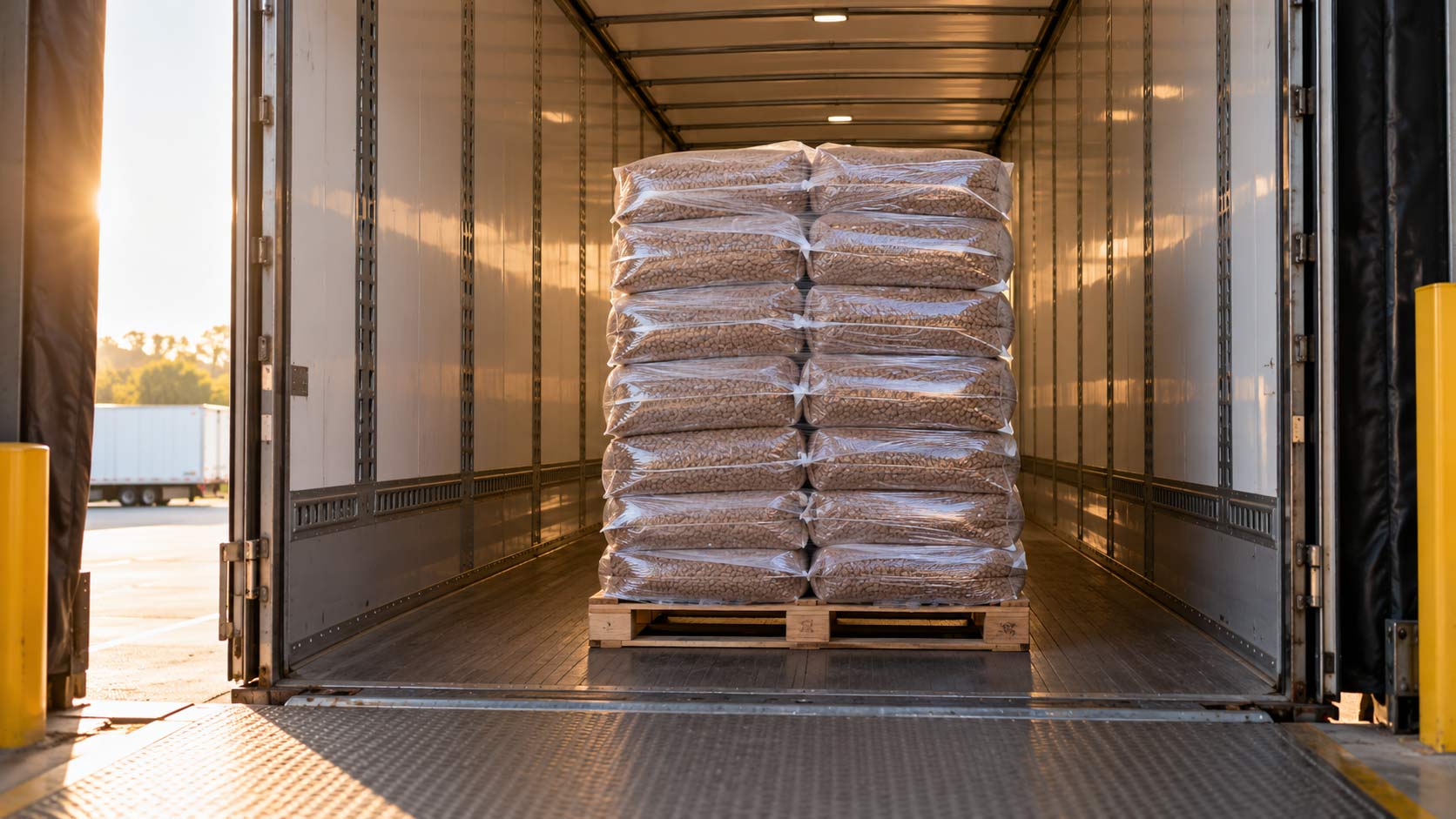
A pallet of kibble bags leaves the plant square and tight. At the distributor the top tiers have shifted, and on the store floor a stack of bags keeps sliding off the end cap. Nothing about the order changed. The film surface did. Packaging film carries an ingredient that slowly rises to the surface to make it slippery, and how much of it has arrived depends on time and heat.
Overview
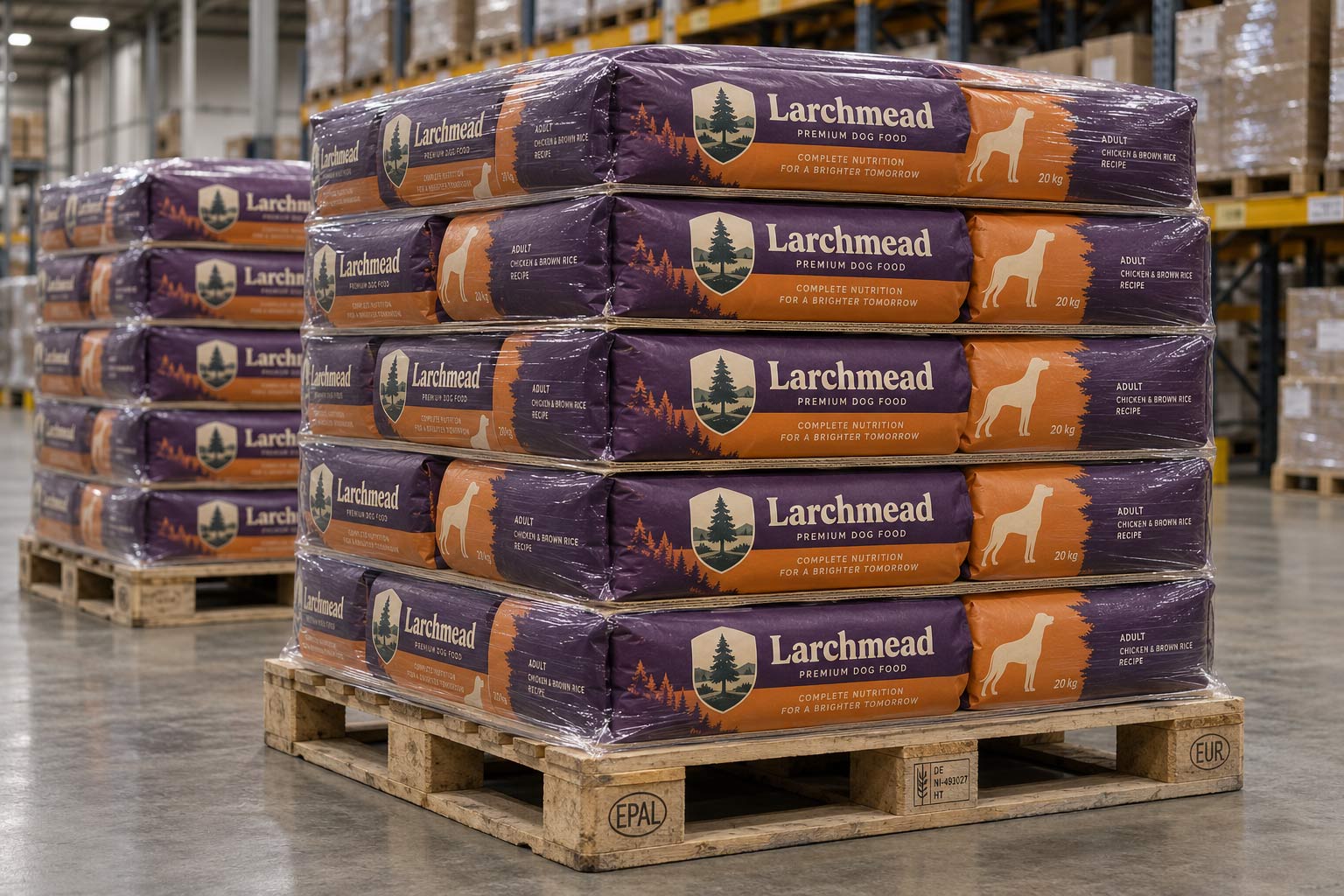
The bags stacked beautifully all winter. Same size, same film, same artwork, same pallet pattern. Then summer came and the loads started arriving with the top tiers shifted, a few bags hanging over the edge, and the stretch wrap doing far more work than it should. On the store floor, a display of bags keeps creeping off the end cap and somebody keeps squaring it back up.
Then a different problem shows up on the filling line, sometimes with a brand new delivery: bags that drag, stick to each other, and refuse to feed cleanly.
Both get blamed on the order. "This batch is different." In a sense it is, but not because anything was made differently. The surface of the film changed after it was made, and it is still changing now.
There Is an Ingredient Whose Job Is to Rise
This is the fact underneath both problems.
Packaging film on its own can be grippy. Two sheets of fresh polyethylene drag against each other and against steel, which makes them hard to run on fast equipment. So film makers blend in a slip additive, a waxy ingredient designed to work its way out of the plastic and form a microscopically thin slippery layer on the surface. It is supposed to migrate. That is the whole point of it.
The catch is that migration takes time, and its speed depends on temperature. Fresh film has not finished blooming yet. Film that has sat in a warm warehouse has had more of the additive arrive at the surface. So the slipperiness of a bag, which engineers measure as its coefficient of friction, is not fixed when the bag is made. It drifts.
Too Slippery and Too Grippy Are Both Problems
A pet food bag needs a friction level that suits two very different jobs, and the drift can push it out of range in either direction.
- Too slick for stacking. Heavy bags sitting face to face on a pallet rely on friction to stay put. When the surface gets slippery, tiers shift with every bump and turn in transit, and loads arrive out of square.
- Too slick on the shelf. A tidy stack of bags at retail becomes a slow avalanche, especially on a shelf with a slight slope or a stack bumped by carts all day.
- Too grippy for the line. On filling and bagging equipment, bags need to slide over guides, open cleanly and drop off a stack one at a time. Fresh, under-bloomed film drags, double feeds and slows the line down.
- Different on the inside and outside. The outer face of a bag decides how bags stack against each other, and the inner face decides how the bag opens and fills. They are different materials and they drift separately.
That last point explains a lot of confusion. A bag can be perfect on the line and terrible on the pallet, because two different surfaces are doing those two jobs.
Why It Follows the Calendar
Once you know the additive moves faster in heat, the seasonal pattern stops looking mysterious.
Bags made in winter and stored in a cool space bloom slowly. They stay on the grippy side, stack well, and can feel sticky on the line. The same structure stored through a hot summer, or parked in a trailer in the sun, blooms faster and further. Those bags glide on a filling line and slide on a pallet.
This also explains why two deliveries of an identical order can behave differently in the same week. One may have come straight from production. The other may have spent a month in a hot warehouse. Same bag, different age, different surface.
The Weight of Kibble Makes It Worse
Pet food is a harder case than most packaged food, and it is worth saying why.
A large kibble bag is heavy and soft. It does not sit on a pallet like a rigid box with flat faces. It settles, bulges and rounds at the edges, so the area actually touching the bag below is smaller than it looks and depends heavily on friction. Each bump in transit tries to slide that weight sideways. A box can lean on its neighbors. A slick bag mostly cannot.
The same surface bloom can also get in the way of anything applied to the bag afterward, which is one more reason a fresh code or sticker sometimes behaves differently from the last run. Our post on lot codes that rub off covers the coding side of that story.
How Savor Brands Handles This
Friction is a specification like any other. The trouble is that it rarely gets specified, so it is left to chance.
- We ask how your bags travel and sit. Pallet pattern, stack height, whether bags go to a distributor or straight to stores, and how long they sit in storage all change what the outer surface needs to do.
- We ask what runs your line. Manual filling, semi-automatic and fully automatic equipment want different friction on the inside face, and a bag tuned for one can fight another.
- We think about both faces separately. The outside can be chosen with stacking in mind. As a general rule a matte finish grips better than a high gloss one, which is a trade worth weighing against the look you want.
- We talk about storage. Cool, dry storage and first in, first out rotation keep the surface more consistent from delivery to delivery, and that costs nothing.
- We help you test aged bags, not just fresh ones. A bag straight off production is the least representative sample there is.
Why It Looks Like the Supplier Changed Something
The misdiagnosis is natural. You ordered the same bag twice and got two different behaviors, so something must be different about the second order.
But measure the bags and they match. Same gauge, same size, same print. The difference is a few molecules thick and sits on the surface where no ruler finds it. What changed is how long the bag has been alive and how warm it was kept, and neither of those shows up on a packing slip.
Wrapping It Up: Note the Date and the Temperature
The useful habit is simple. When a load arrives sliding or a delivery runs badly, write down when the bags were made and where they were stored before you call anyone. If the trouble lines up with a hot season or a long stay in a warm building, you are almost certainly looking at slip bloom, and the fix is in the specification and storage rather than in a reprint.
Pallet trouble is easy to file under general transit damage, so it helps to know the neighbors. A bag that split from a fall is covered in the post on drop bursting, and a load that arrived inflated is covered in the post on altitude and pressure. If your kibble bags keep shifting on the pallet or dragging on the line, tell us how you stack and fill them and we will specify the surfaces for the jobs they actually do.
Ready to Create Packaging Your Pets (and Customers) Will Love?
Let's bring your brand to life.
Get Started Today