
Pet Food Packaging Blog
Guides, tips, and fresh ideas to help pet brands package smarter, protect their product, and stand out on the shelf.
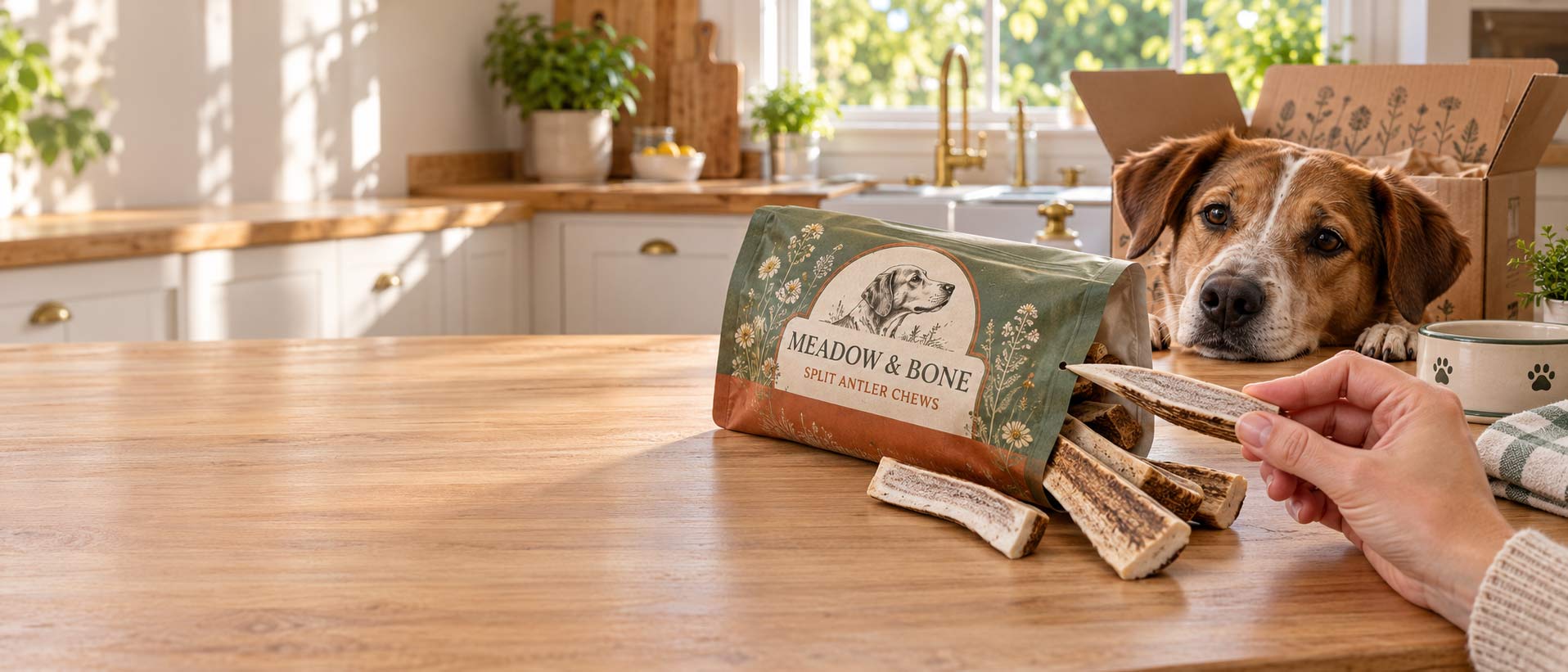
The Hole Came From the Inside. Hard Chews Puncture Their Own Bags.
A bag of antler chews arrives with a pinhole in it, and everyone blames the shipper. Look closer and the hole lines up with the sharp tip of a chew. Hard, pointed treats press against the film every time the bag is filled, shaken, stacked or squeezed, and a point concentrates that force into one tiny spot. The fix is a tougher film, a smarter pack and a little room to move, all decided before the bags are printed.
Read ArticleMore Articles
The Vitamins Were in the Bag. Light and Air Took Them Out.
A batch of food tests perfectly when it is made. Months later, a sample from the shelf comes back low on vitamins, and everyone starts questioning the recipe. The recipe was fine. Some vitamins and the healthy oils in pet food are fragile, and light and oxygen slowly break them down inside the bag. How much survives to the bottom of the bag depends a great deal on the package.
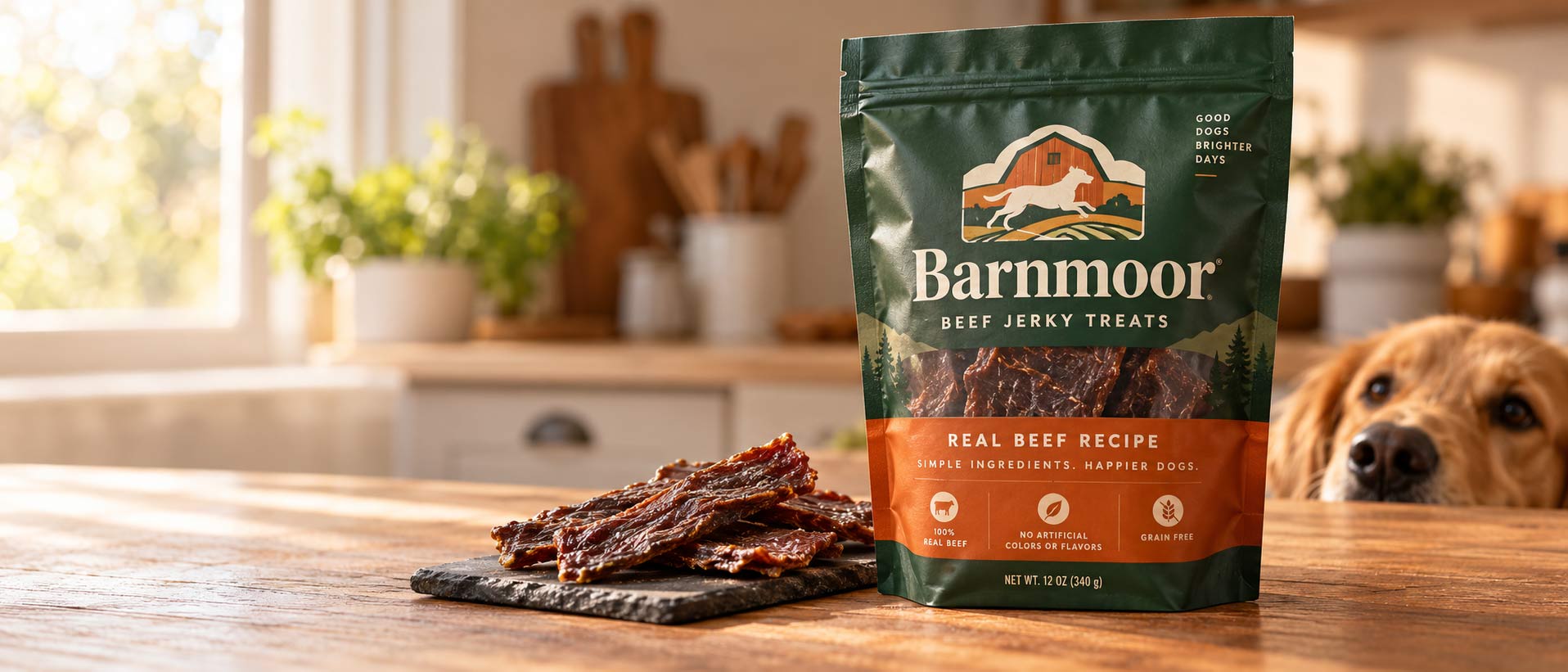
The Bag Kept Everything Out. The Mold Was Already Inside.
A customer opens a sealed bag of jerky treats and finds fuzzy spots. The seal is perfect, the film is high barrier, and nothing got in. That is exactly the problem. A great bag locks the outside world out, but it also locks in whatever moisture and air were sealed with the treats, and some treats bring enough of their own moisture to grow mold all by themselves.
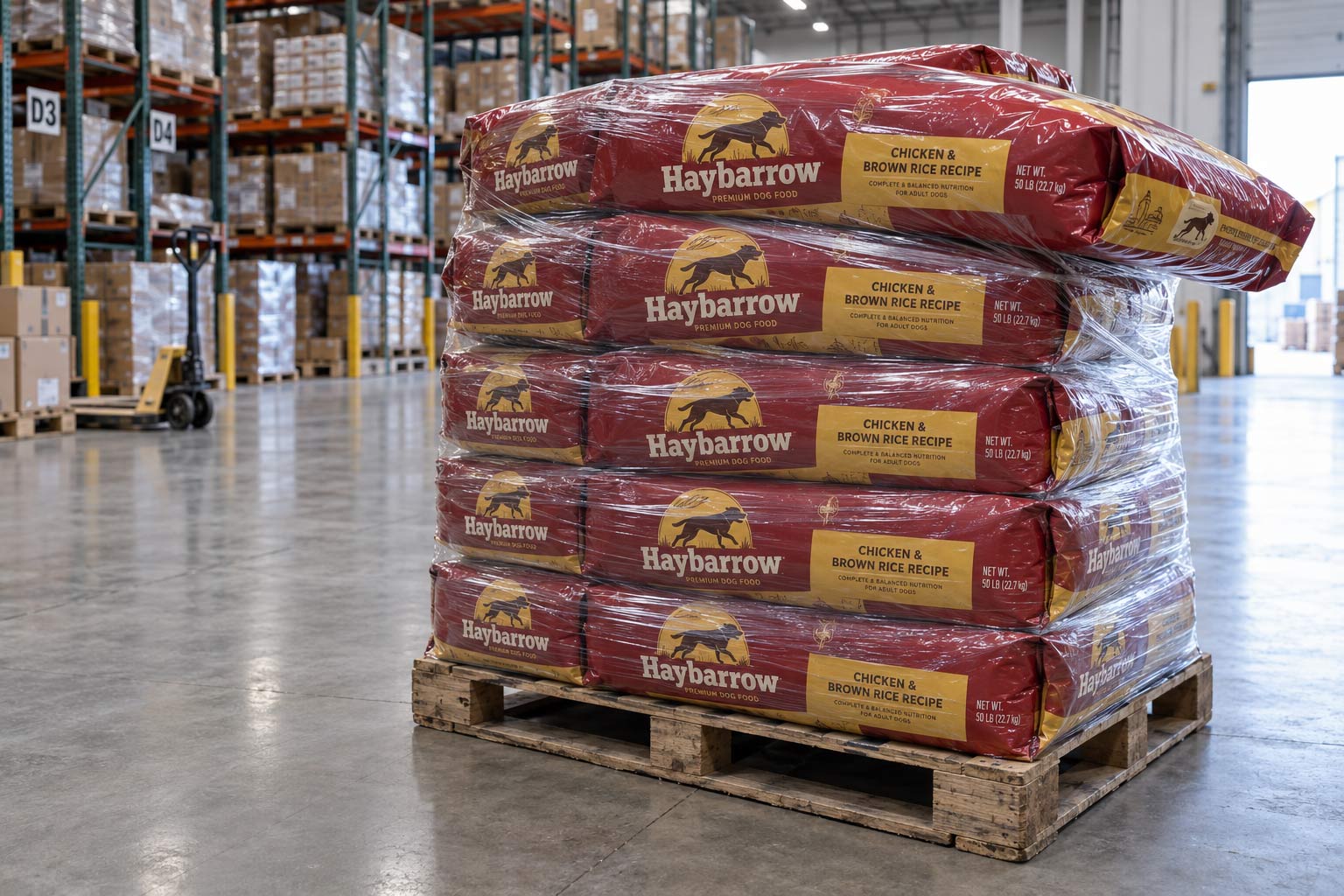
The Same Bags Stacked Fine in January. In July They Slid.
A pallet of kibble bags leaves the plant square and tight. At the distributor the top tiers have shifted, and on the store floor a stack of bags keeps sliding off the end cap. Nothing about the order changed. The film surface did. Packaging film carries an ingredient that slowly rises to the surface to make it slippery, and how much of it has arrived depends on time and heat.
Your Bags Arrived Tight as Drums. They Went Over a Mountain.
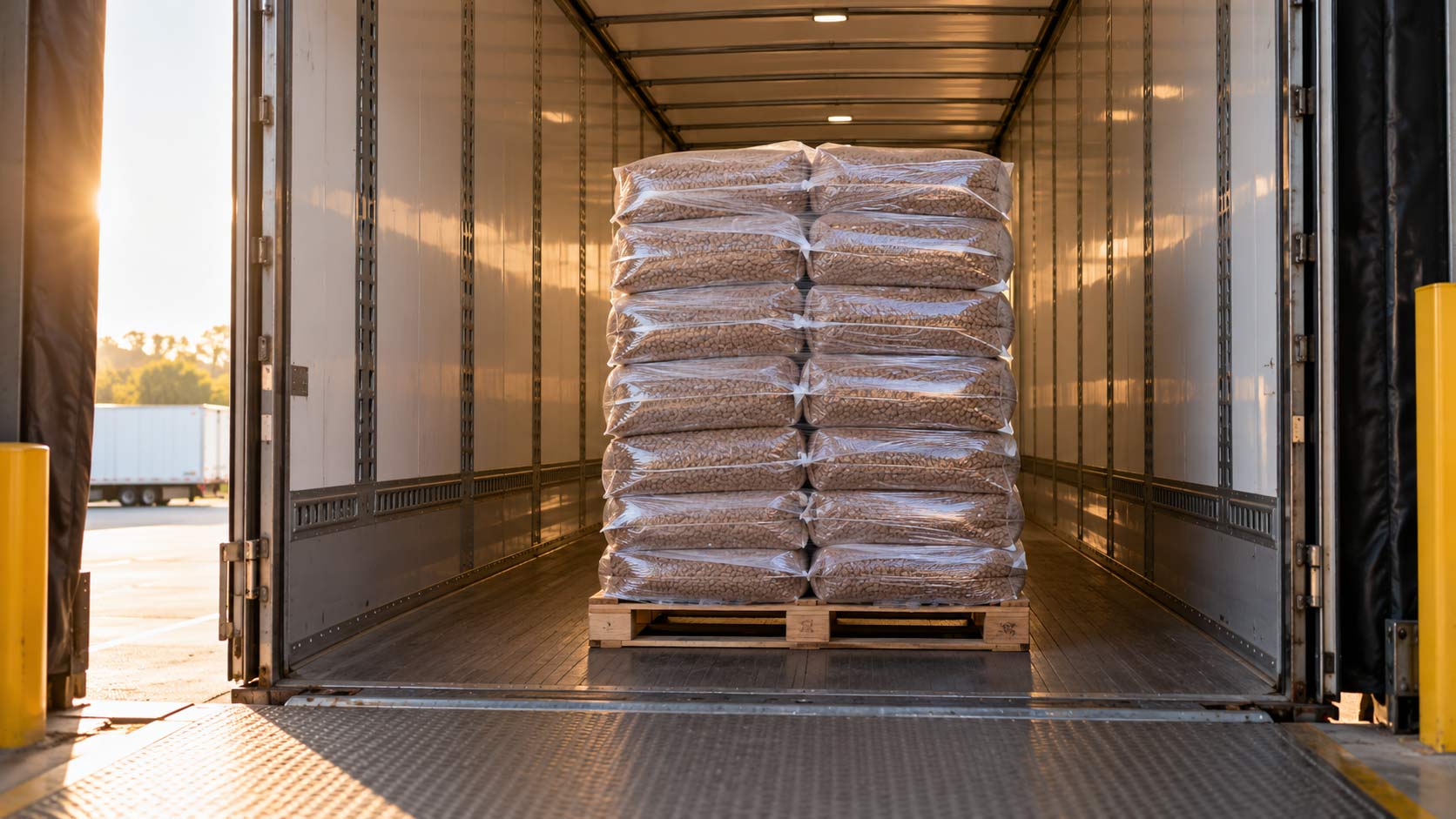
A load leaves your co-packer flat and square. It arrives looking inflated, the pallet has gone out of plumb, and a few bags have opened along a corner. Nobody dropped anything and nothing was overfilled. The air sealed inside those bags expanded, because the air outside them got thinner on the way, and a sealed bag has no way to let that go.
Your Bag Height Is Set by a Metal Cylinder
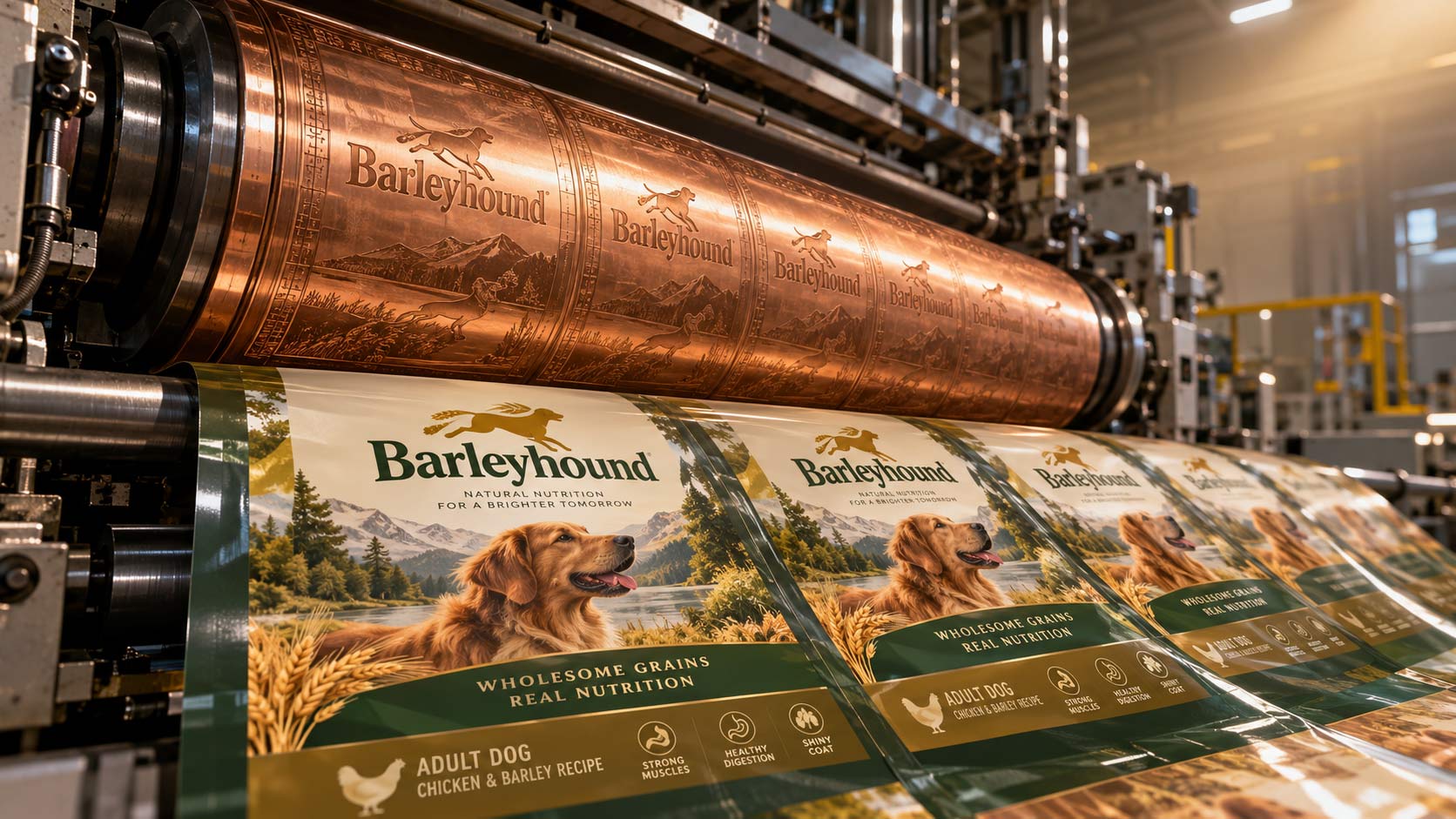
You ask for a bag 16 inches tall and get told you can have 15 and a half or 17. It sounds like the supplier being difficult. It is not. On a gravure run your artwork is engraved around a copper cylinder, and the distance around that cylinder sets the repeat. Your bag height has to divide into it, so the available heights come in steps rather than any number you like.
Wet Pet Food Packaging: Retort Pouches, Single-Serve, and the High-Moisture Job
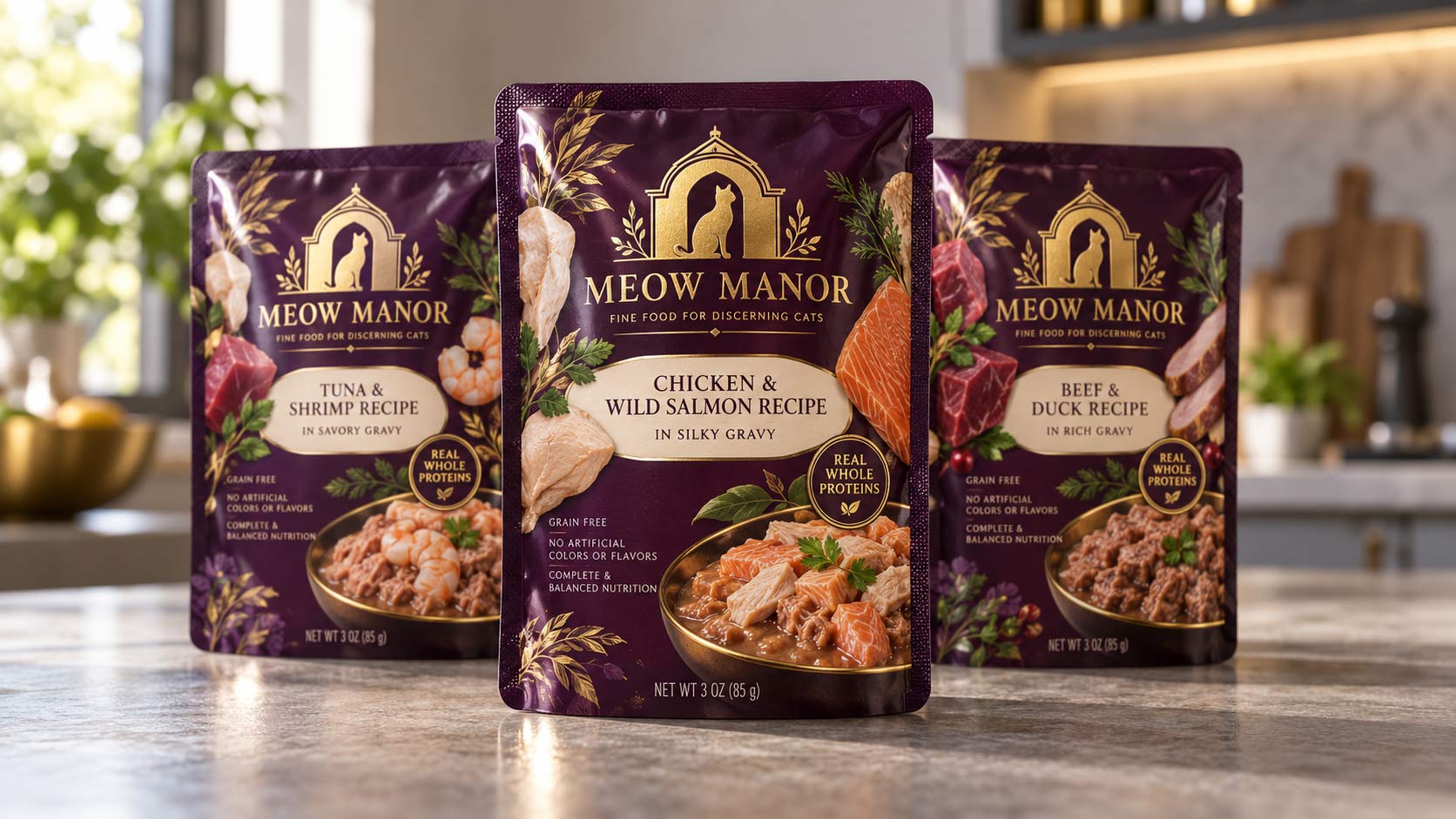
Wet pet food breaks every rule that kibble packaging plays by. It is high in moisture, rich and aromatic, often cooked right inside the sealed pouch, and most of it is eaten in a single serving. This guide covers wet pet food packaging in plain language: the retort pouch that survives being cooked like a can, the foil barrier and sealant that stand up to a wet, oily, aromatic food, the difference between a single-serve tear-open pouch and a resealable multi-serve bag, and how a foil package still sells a premium meal on the shelf.
This Order Does Not Match the Last One, and Both Are Correct
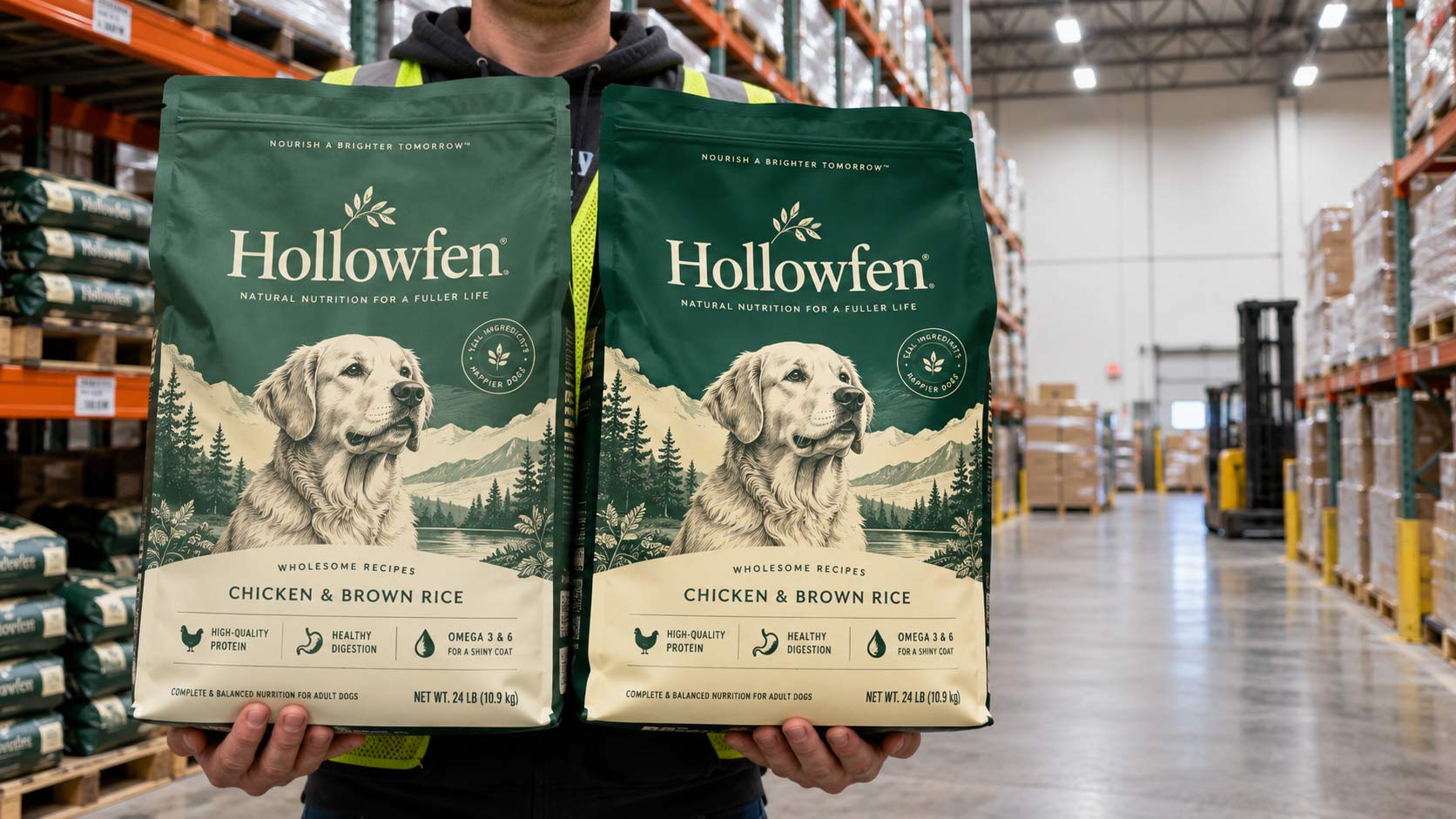
A new pallet lands, somebody sets a fresh bag next to one from the previous run, and the green is not quite the same green. It looks like a printing mistake. Usually both bags are inside the agreed tolerance, the older one has aged on a shelf, and the two are being compared under warehouse lighting that was never going to settle the question. Here is what actually varies, and how to judge it properly.
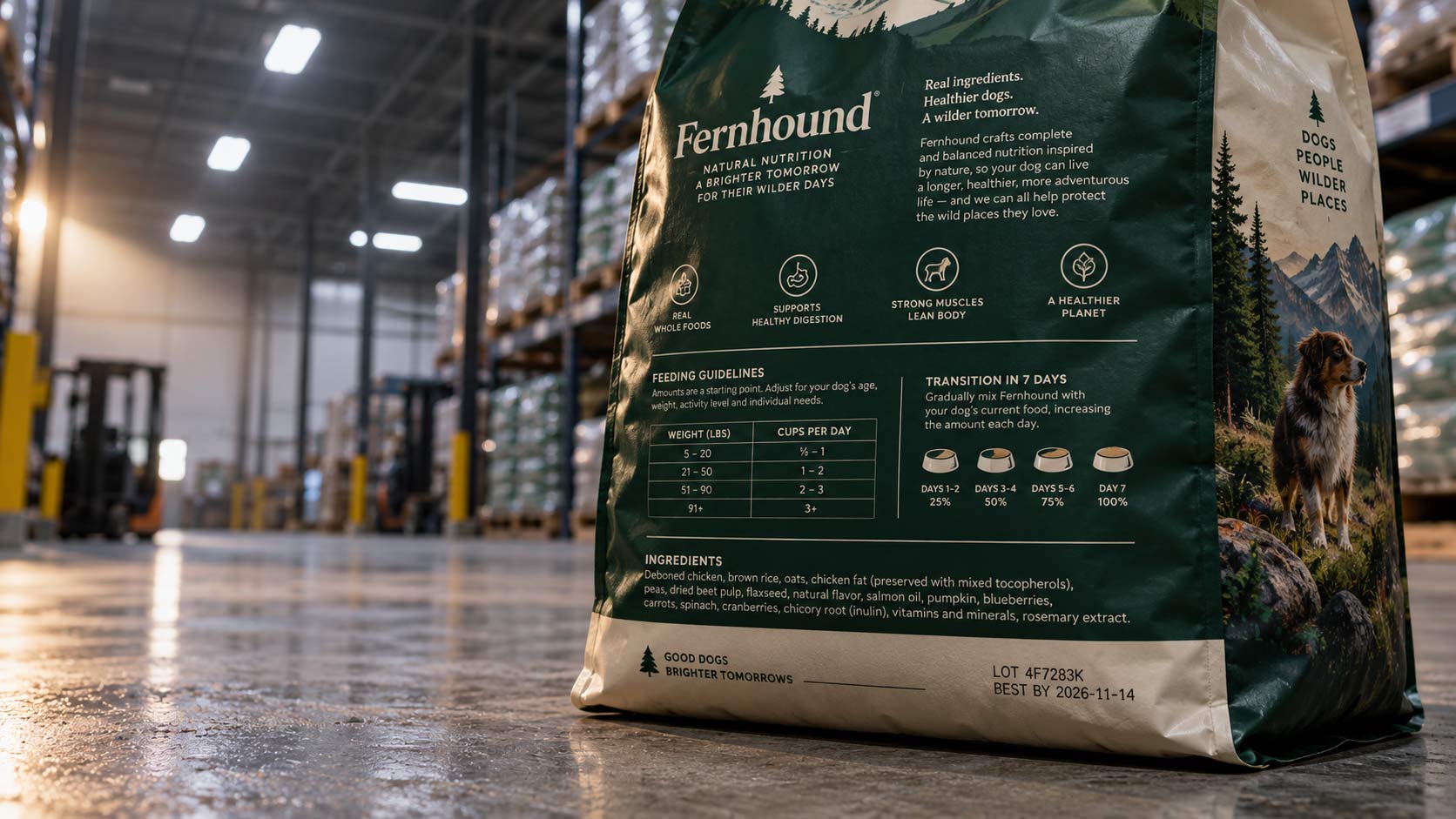
If the Lot Code Rubs Off, the Recall Gets Bigger
Everything on your bag was printed months ago by the people who made it. The lot code was not. That goes on in your own facility, seconds before the bag ships, as ink sitting on top of a surface built to repel things. Then it travels in a case full of greasy bags. When it rubs off, you have not lost a bit of small print. You have lost the only thing that lets you prove which bags are affected.
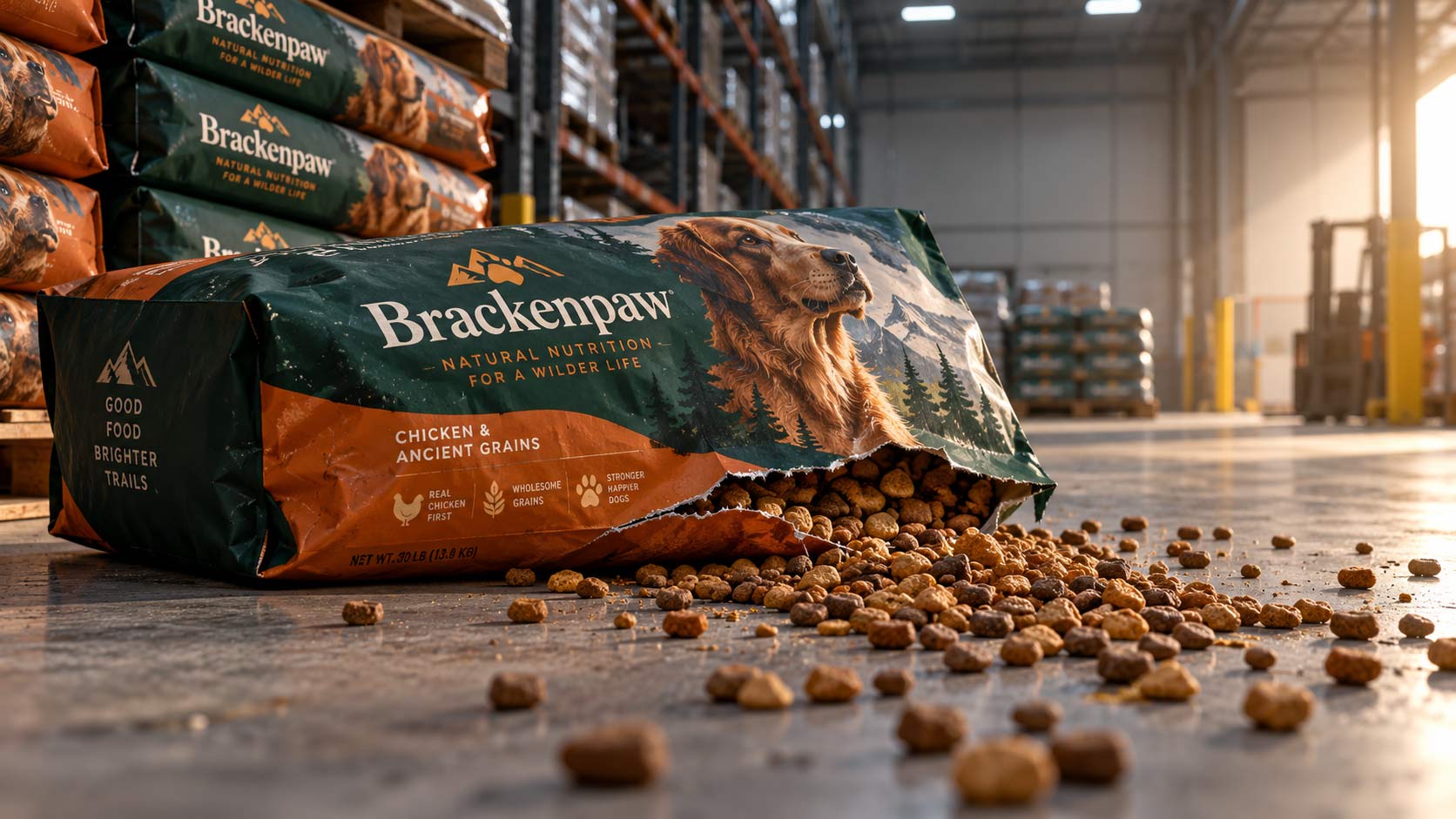
Nobody Tore That Bag. It Was Dropped.
A heavy kibble bag that bursts along the bottom almost never failed because the film was thin. It failed because it was dropped, and a dropped bag is not carrying its own weight anymore. It is carrying all of that weight arriving at once, concentrated on the folds at the base. Here is why the bottom goes first, why it looks like a defect, and what actually makes a bag survive the floor.
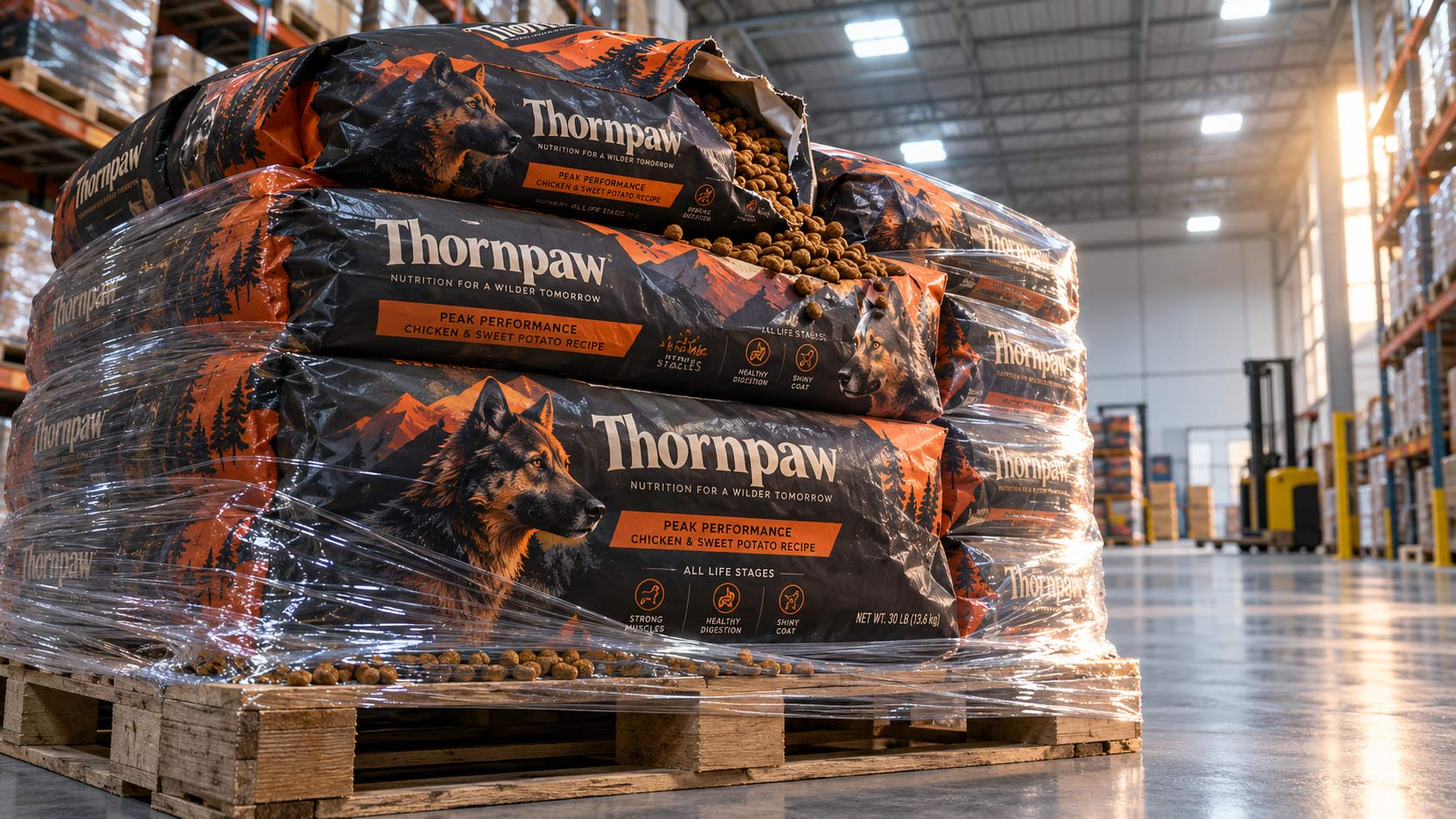
Your Bag Did Not Fail. The Seal Never Closed.
A pallet of kibble bags leaves the fill line looking perfect, and a week later there is product in the bottom of the shrink wrap. The bag gets blamed, and the bag is almost never the problem. A heat seal is a weld between two layers of film, and a weld cannot form through a layer of greasy kibble dust. Here is how that happens, why it shows up days later, and the five second test that catches it.
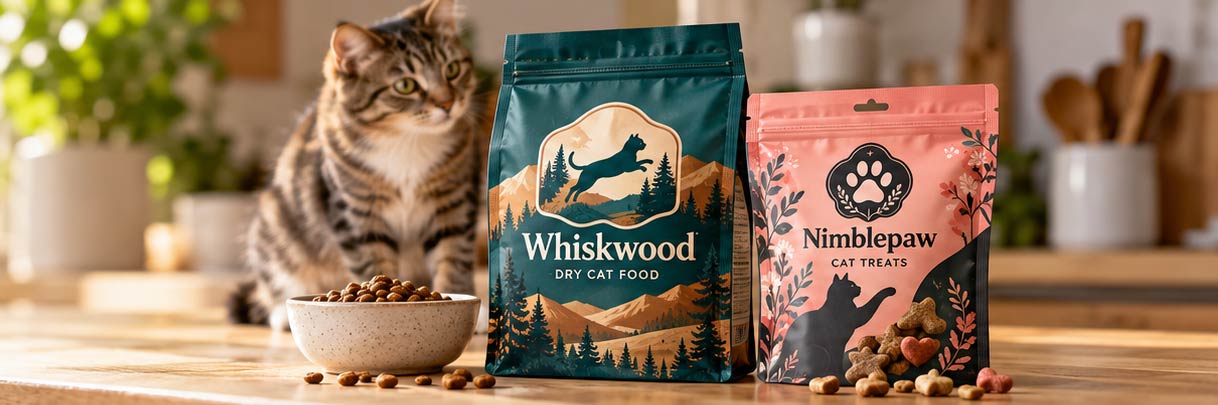
Cat Food Packaging: Why a Cat Bag Is Not Just a Smaller Dog Bag
It is tempting to treat cat food packaging as dog food packaging in a smaller size. It is not. Cats eat differently, their food is richer and smellier, and the people who buy it shop differently too. Those differences change the bag, the pouch, and the whole shelf strategy.
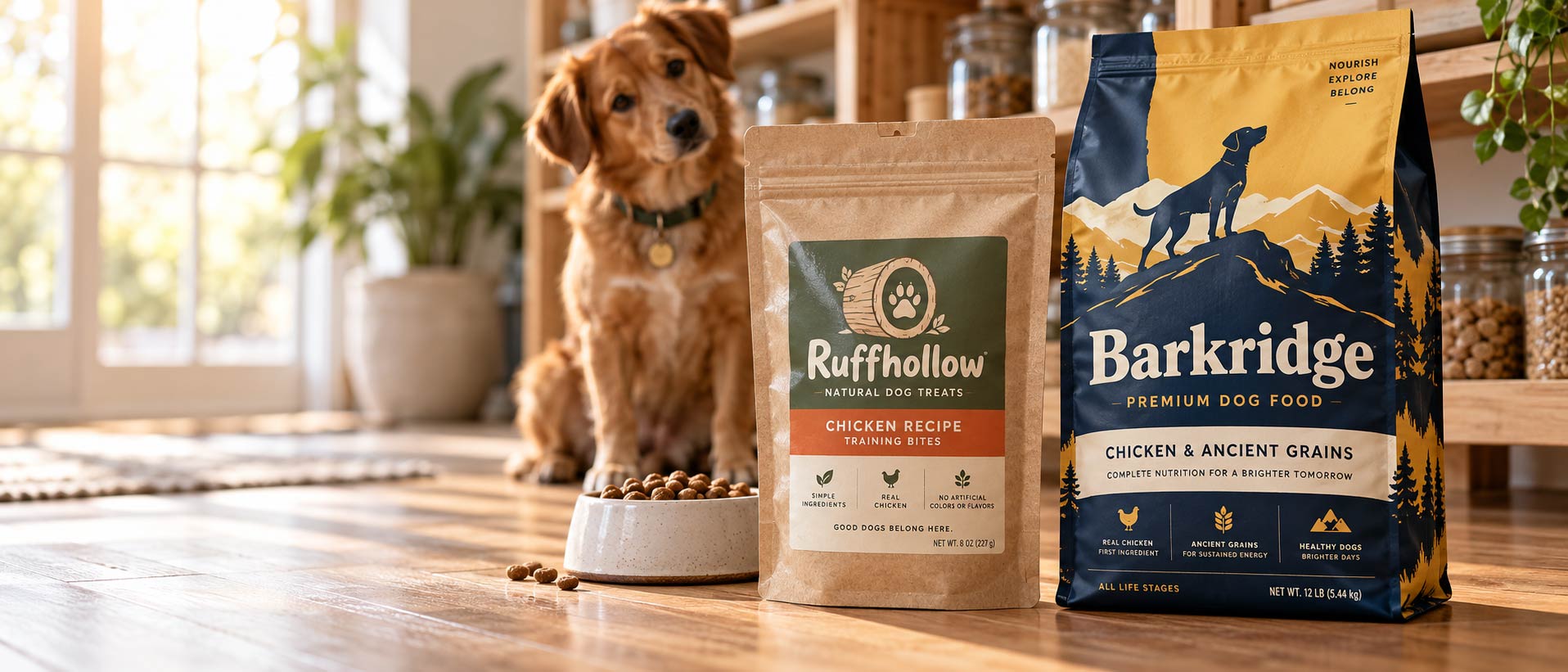
Stock Bags or Custom Printed? The First Packaging Call a New Pet Brand Makes
Your first bags come down to a fork in the road. You can buy stock bags and add a printed label, or you can order custom printed bags with your art on the film. Both are real choices made by real brands, and the right one depends less on taste than on what stage your brand is actually at.
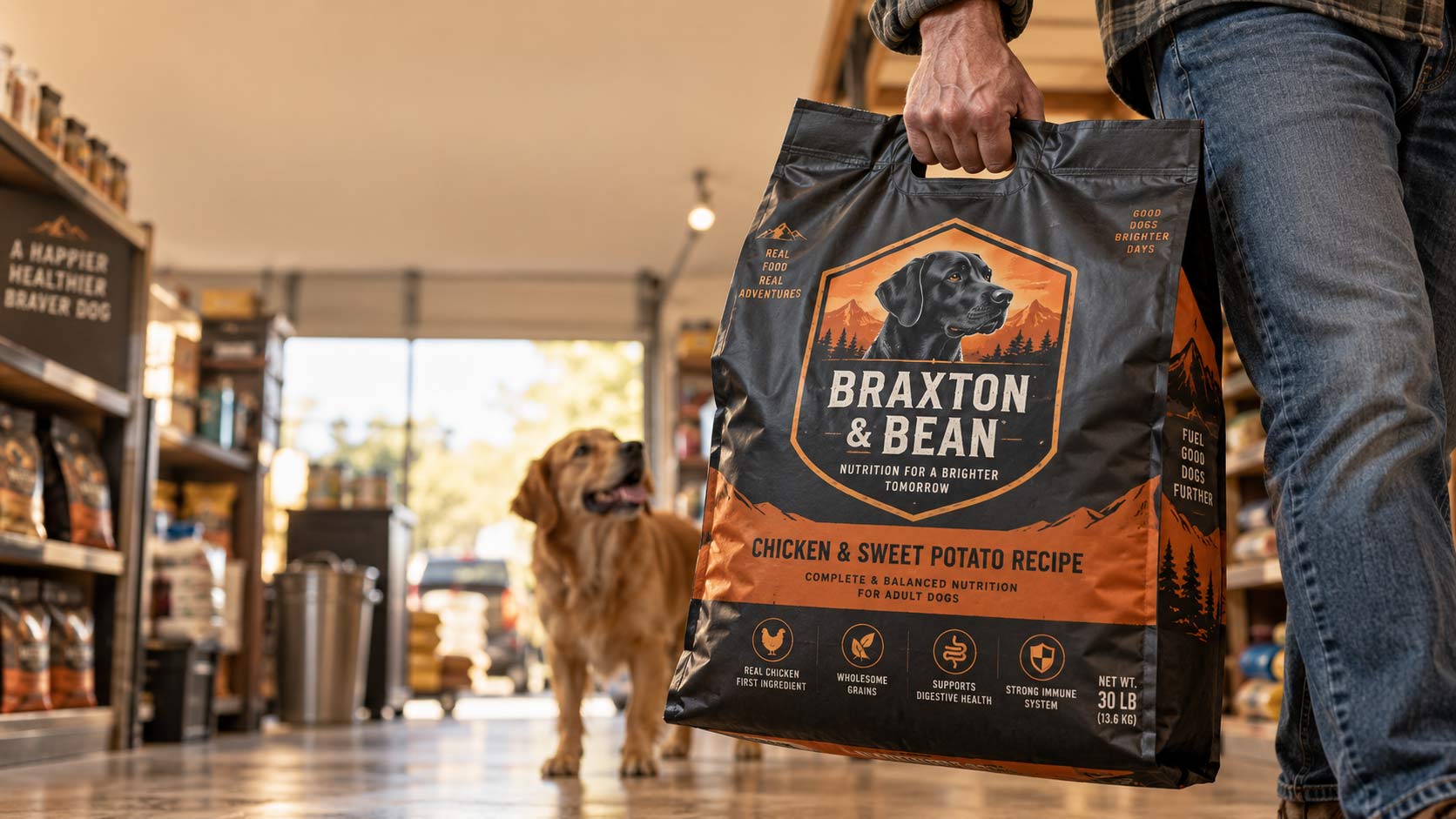
The Carry Handle on a Big Kibble Bag Is a Hole in Your Barrier
A thirty pound bag needs a way to be carried, and the obvious answer is to cut a handle into the top. That handle is an opening through the bag wall, and if it is done wrong it either breaches the barrier that keeps the food fresh or tears out under load. Here is how a handle is actually built.
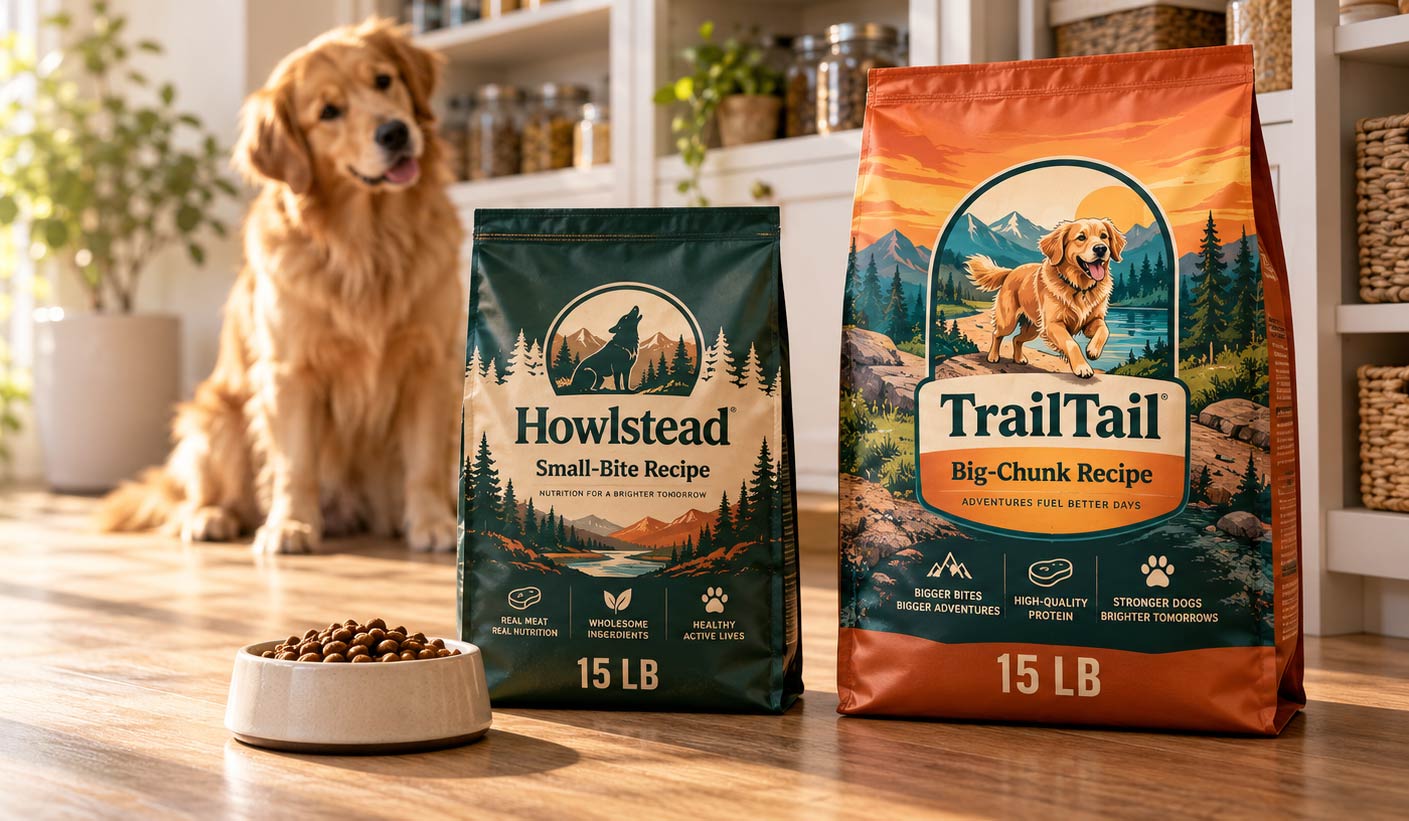
Pet Food Bag Sizes: Why Two 15 lb Bags of Kibble Need Different Bags
Pet food is sold by weight, but bags are built by volume, and that gap catches a lot of new brands off guard. Two recipes can both weigh 15 pounds and still need very different bags, because kibble size, shape, and density change how much room the food takes up. This guide covers pet food bag sizes in plain language: the common size ladder, why weight is not the same as volume, how to run a simple fill test, the right amount of headspace, and how bag style and closures change as the bag gets bigger.
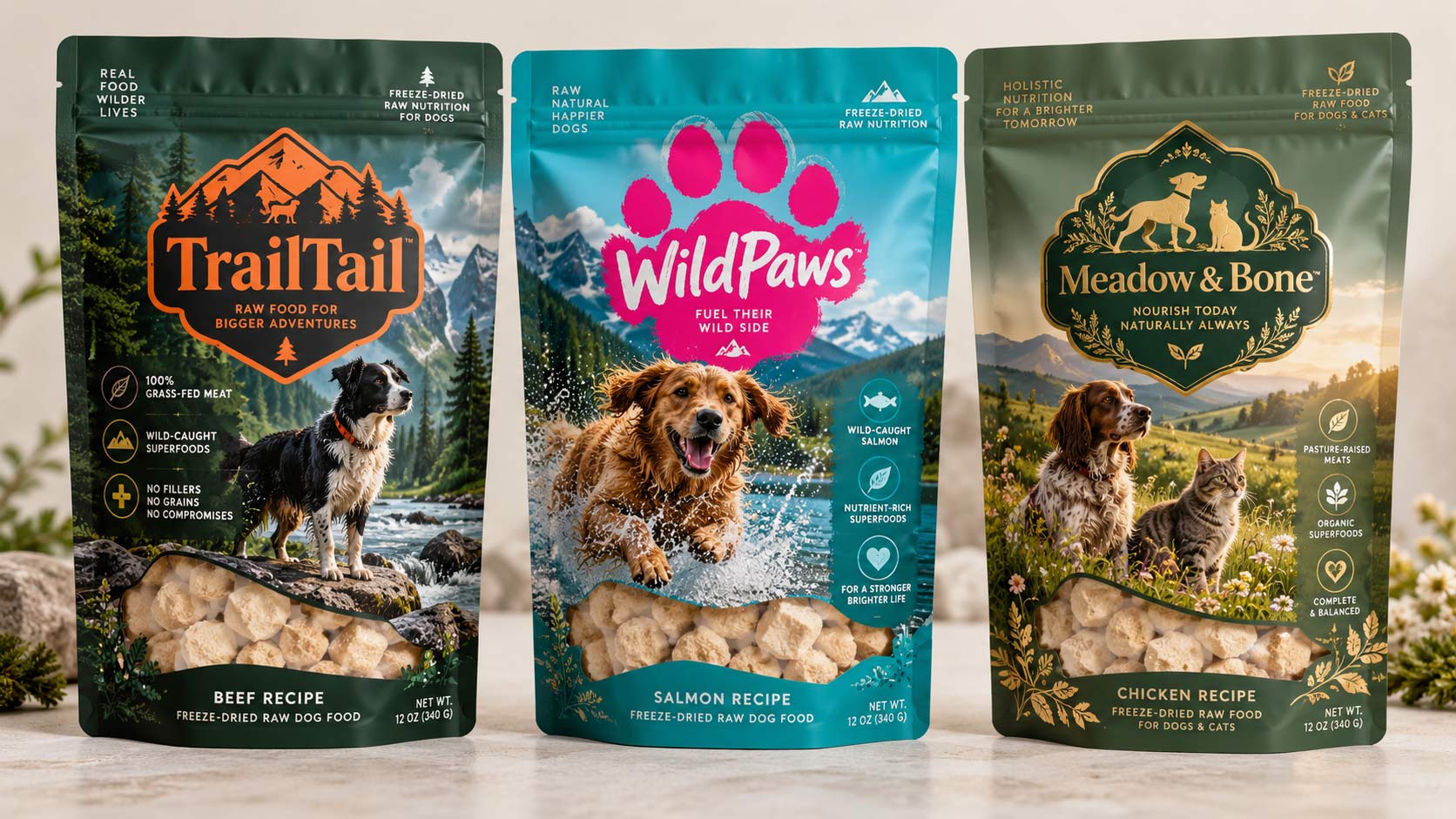
Freeze-Dried and Raw Pet Food Packaging: The Highest-Barrier Job in the Aisle
Freeze-dried and raw pet food is some of the most valuable food in the store, and some of the most fragile. Strip out the moisture and you get a light, nutrient-dense food that also goes stale fast the moment air or humidity reaches it. This guide covers how to package it so it stays fresh and intact: the high-barrier films these foods demand, why reseal and sometimes an oxygen absorber matter, how to keep delicate pieces from crushing, and how to show off a premium product on the shelf.
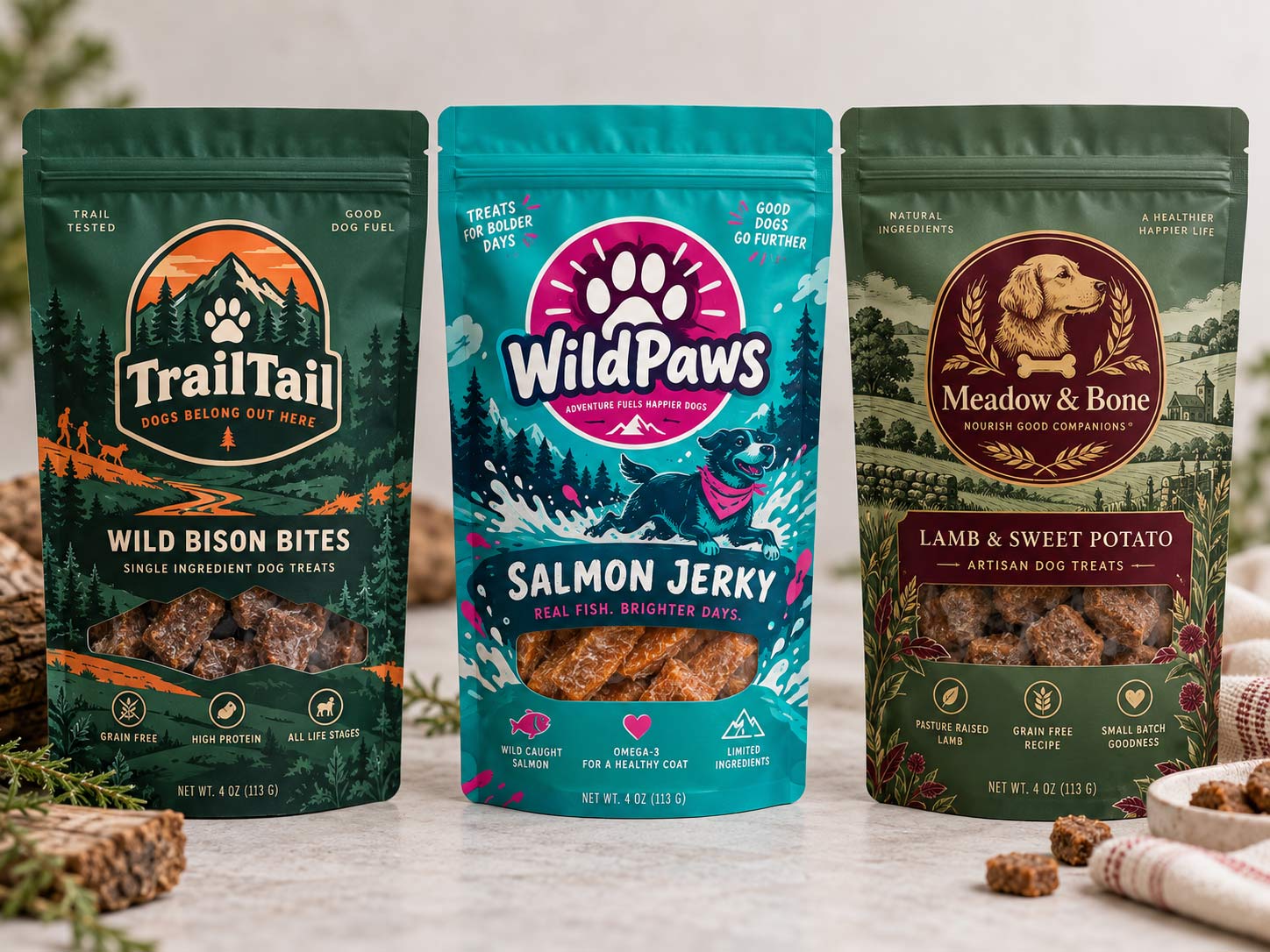
Pet Treat Packaging: Bagging Treats, Chews, and Jerky So They Sell and Stay Fresh
Treats are where a lot of pet brands start, and they are also where packaging gets tricky fast. A bag of jerky, a pouch of soft training treats, and a stack of bully sticks do not want the same package. This guide covers the treat formats that work, how to keep treats fresh once the bag is opened, how to size the bag to the treat, and how to make a small pouch look premium on a crowded shelf.
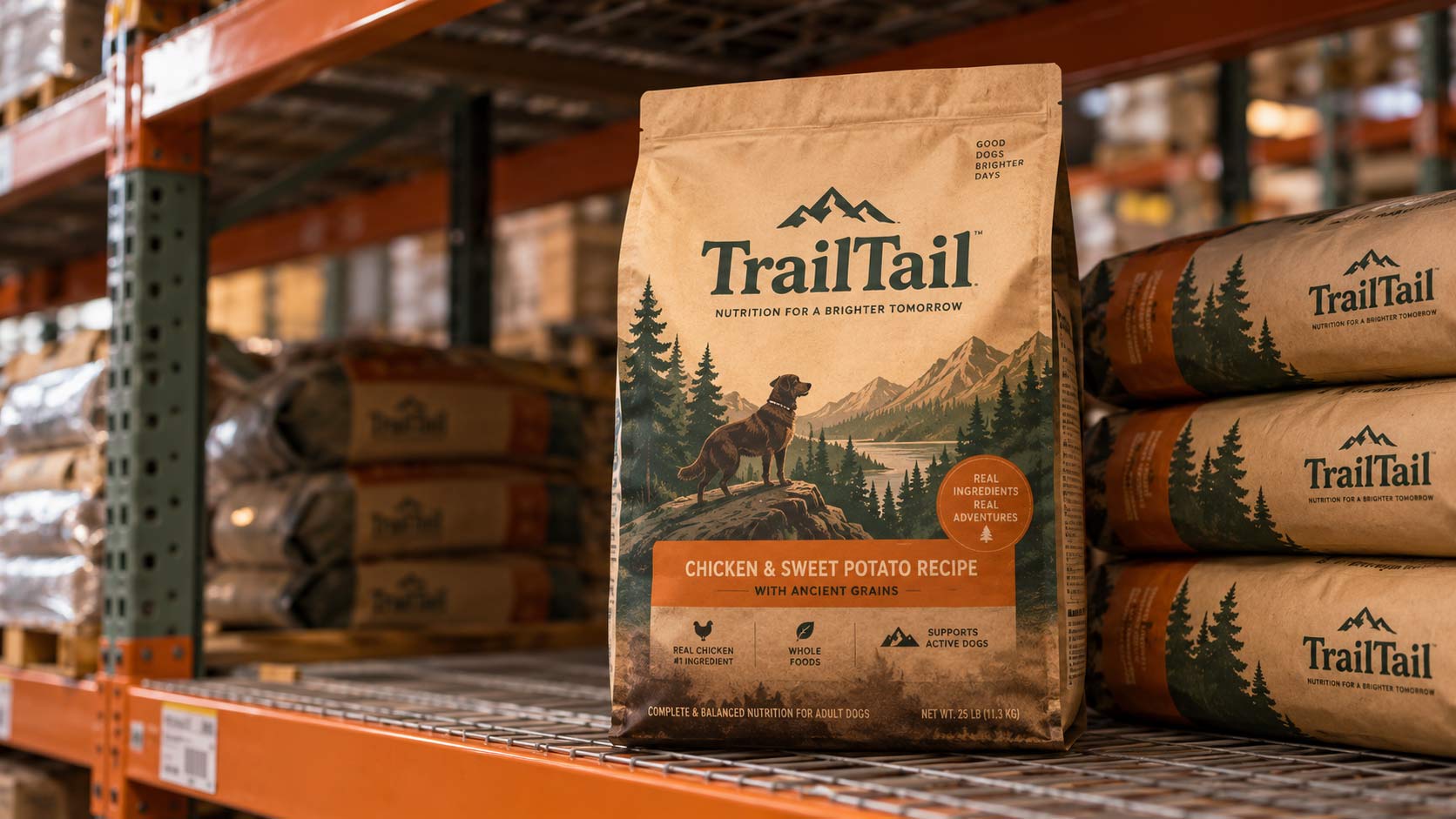
That Grease Mark on Your Pet Food Bag Came From the Inside
A dark patch spreading across a kibble bag looks like something leaked onto it in a warehouse. Usually nothing leaked onto it at all. Pet food is high in fat, fat migrates into the packaging from the inside, and the fix is a grease resistant structure rather than a thicker bag.
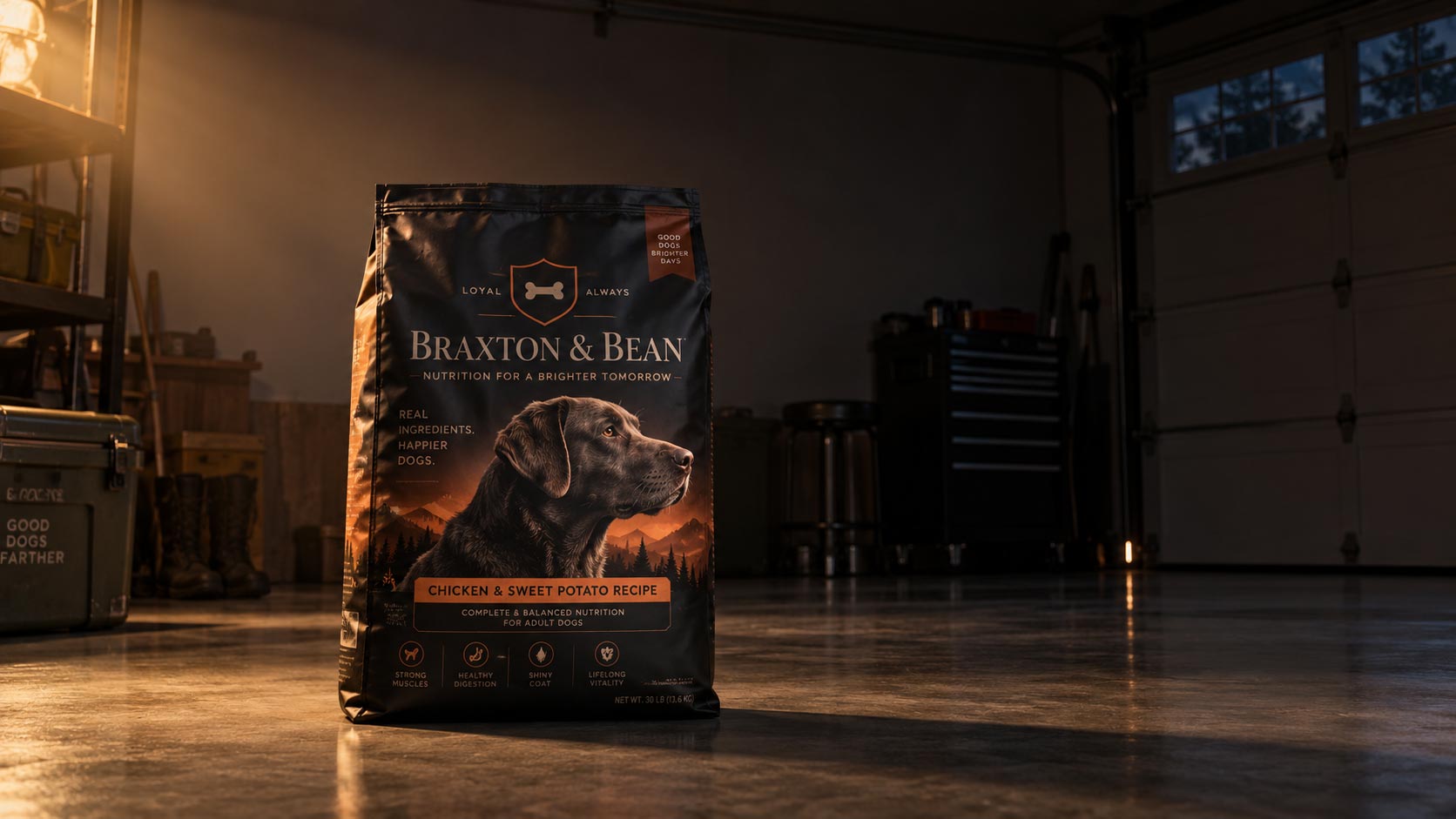
Pest-Resistant Pet Food Bags: Why Rodents and Moths Get Into Some Bags and Not Others
A chewed bag in a customer's garage feels like their problem, right up until the review lands on your product page. Pests do not choose bags at random, they follow the smell, and the same barrier that keeps kibble fresh is what keeps that smell inside. Here is what makes a pet food bag hard to find and hard to get into.
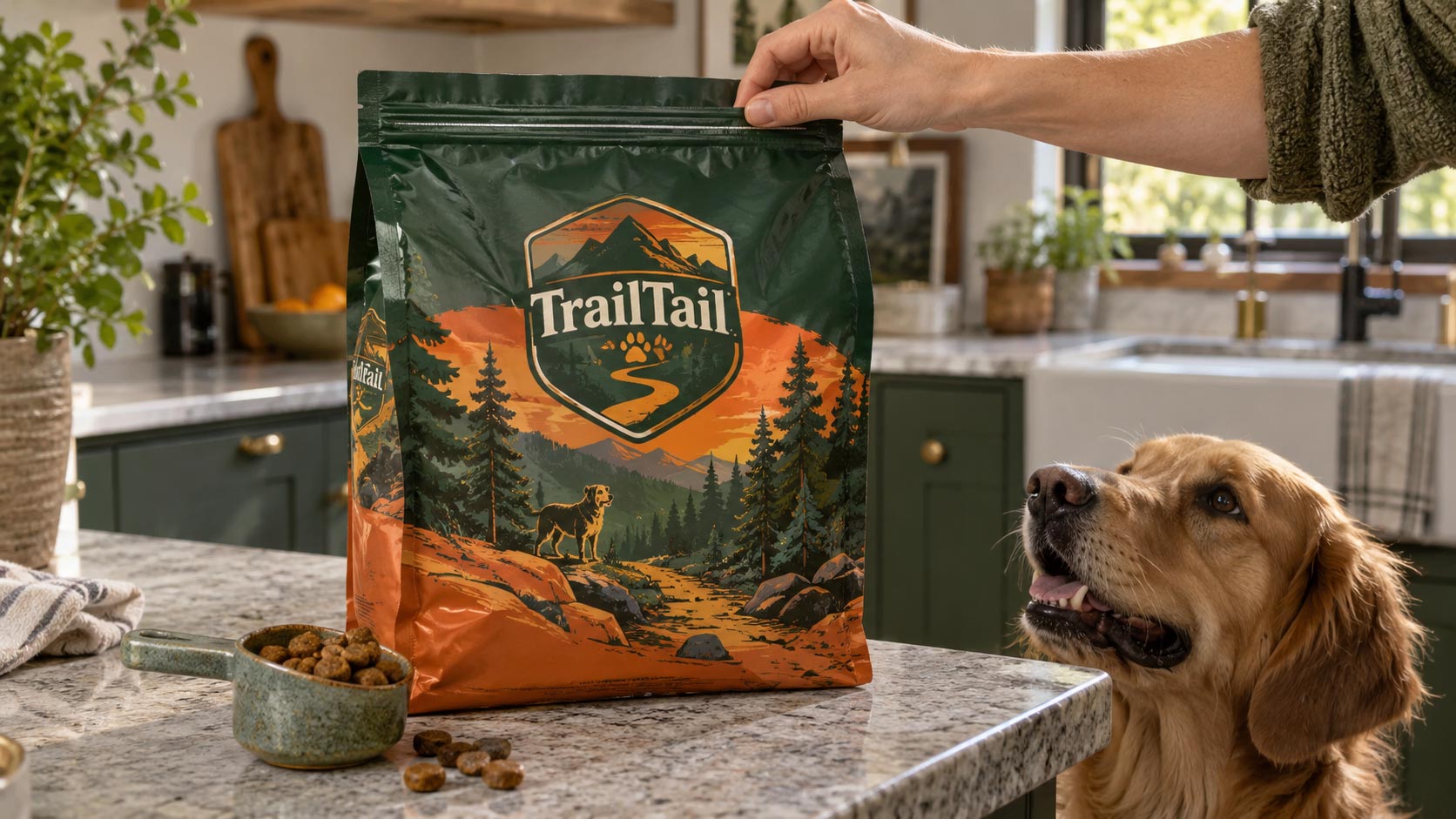
Resealable Pet Food Bags: Zippers, Valves, and Closures That Keep Kibble Fresh
A pet food bag gets opened and reclosed dozens of times before it is empty, so the closure is doing more work than almost any other part of the package. This guide breaks down the reseal options, from zippers and sliders to tin ties and valves, and how to pick the one that keeps kibble fresh to the last scoop.

Sustainable Pet Food Packaging: Compostable and Recyclable Options
Pet owners want packaging that is kind to the planet, and the options have come a long way. Here is a plain-language look at compostable, recyclable, and bio-based pet food packaging, and how to choose without giving up freshness.

Pet Food Bag Styles Explained: Which Shape Fits Your Product
Stand-up pouch, flat bottom, side gusset, quad seal. The shape of your pet food bag changes how it sits on the shelf, ships, and sells. Here is a plain-language guide to picking the right one.

How to Choose the Right Packaging for Your Pet Food Brand
Picking pet food packaging can feel overwhelming, with dozens of bag styles, materials, and printing choices to weigh. This guide breaks down how to choose packaging that protects your food, fits the way customers shop, and helps your brand stand out on the shelf.