
Resealable Pet Food Bags: Zippers, Valves, and Closures That Keep Kibble Fresh
A pet food bag gets opened and reclosed dozens of times before it is empty, so the closure is doing more work than almost any other part of the package. This guide breaks down the reseal options, from zippers and sliders to tin ties and valves, and how to pick the one that keeps kibble fresh to the last scoop.
Overview
A pet food bag is one of the hardest working products in your customer's kitchen. It does not get opened once and thrown away. It gets opened, scooped from, and reclosed morning and night, sometimes for weeks, until the last of the kibble is gone. That means the closure at the top of the bag is doing more work than almost any other part of the package, and a weak one lets your food go stale fast.
This guide breaks down resealable pet food bags in plain language. We will look at why reseal matters so much for pet food, the main closure types and what each one does well, where a degassing valve actually fits, and how to match the right closure to your product so the food stays fresh right down to the last scoop.
Why Reseal Matters More for Pet Food
Pet food bags are bigger and live open longer than most food packages. A bag of coffee might be gone in a week, but a large bag of kibble can sit open for a month or more while a dog or cat works through it. Every time the bag is opened, fresh air rushes in, and every hour it sits loosely folded, that air is going to work on the food.
A closure that truly reseals protects the things that quietly ruin pet food after the bag is opened.
- Air and staleness, since oxygen turns the fats in kibble and treats rancid and flattens the flavor pets love.
- Moisture, which softens crunchy food and can invite mold in humid kitchens and garages.
- Smell and pests, because that rich, meaty aroma leaking out is exactly what draws ants, pantry moths, and a second curious pet.
- Spills, since a bag that will not stay shut is one knocked-over tail away from a mess on the floor.
Get the closure right and the bag keeps the food you worked hard to make tasting the way it should, while making life easier for the person feeding it.
The Main Closure Types
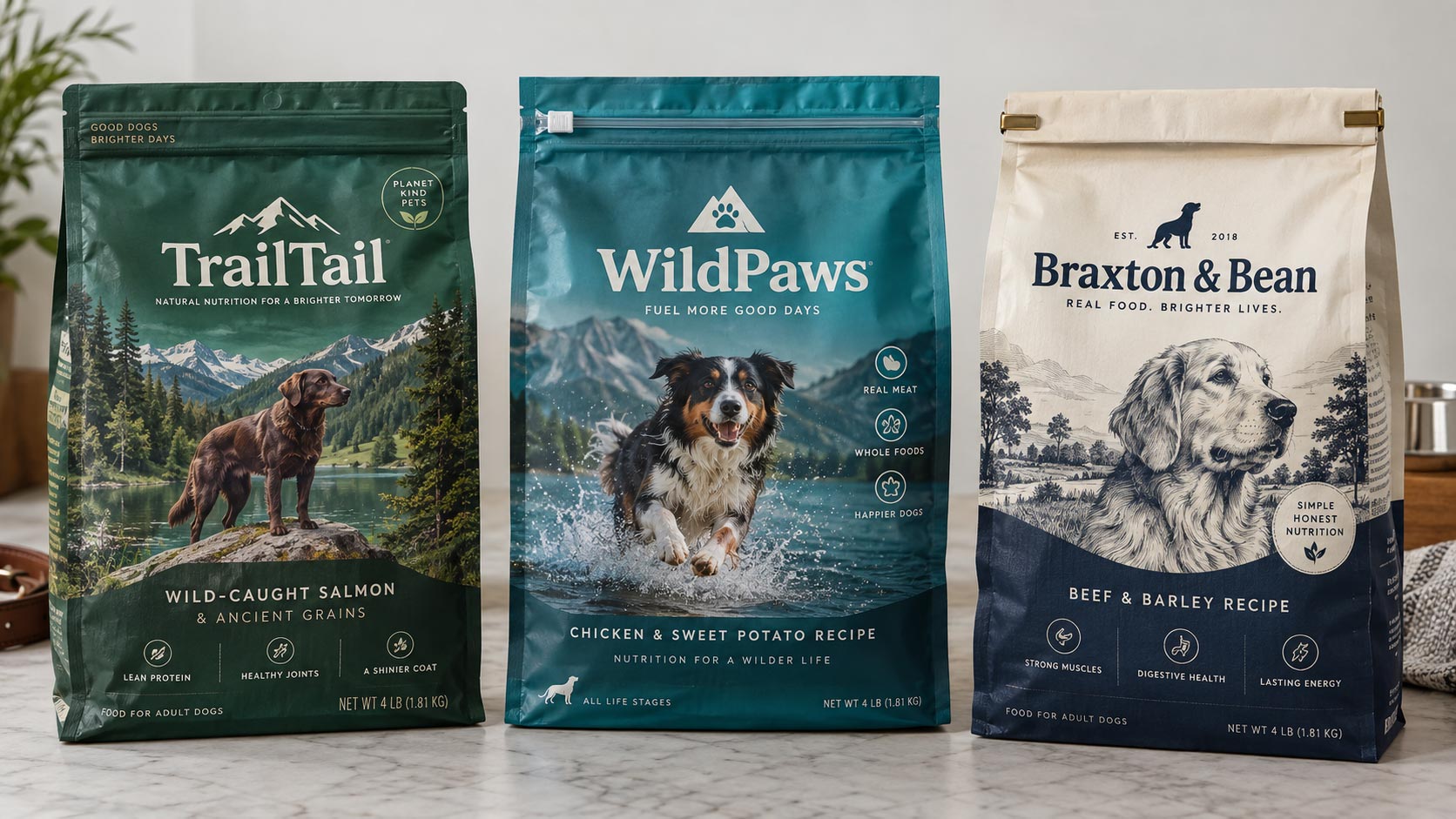
There is no single best closure, only the best match for your product and price point. Most pet brands choose from a short list of proven options, and it helps to know what each one feels like in a customer's hands.
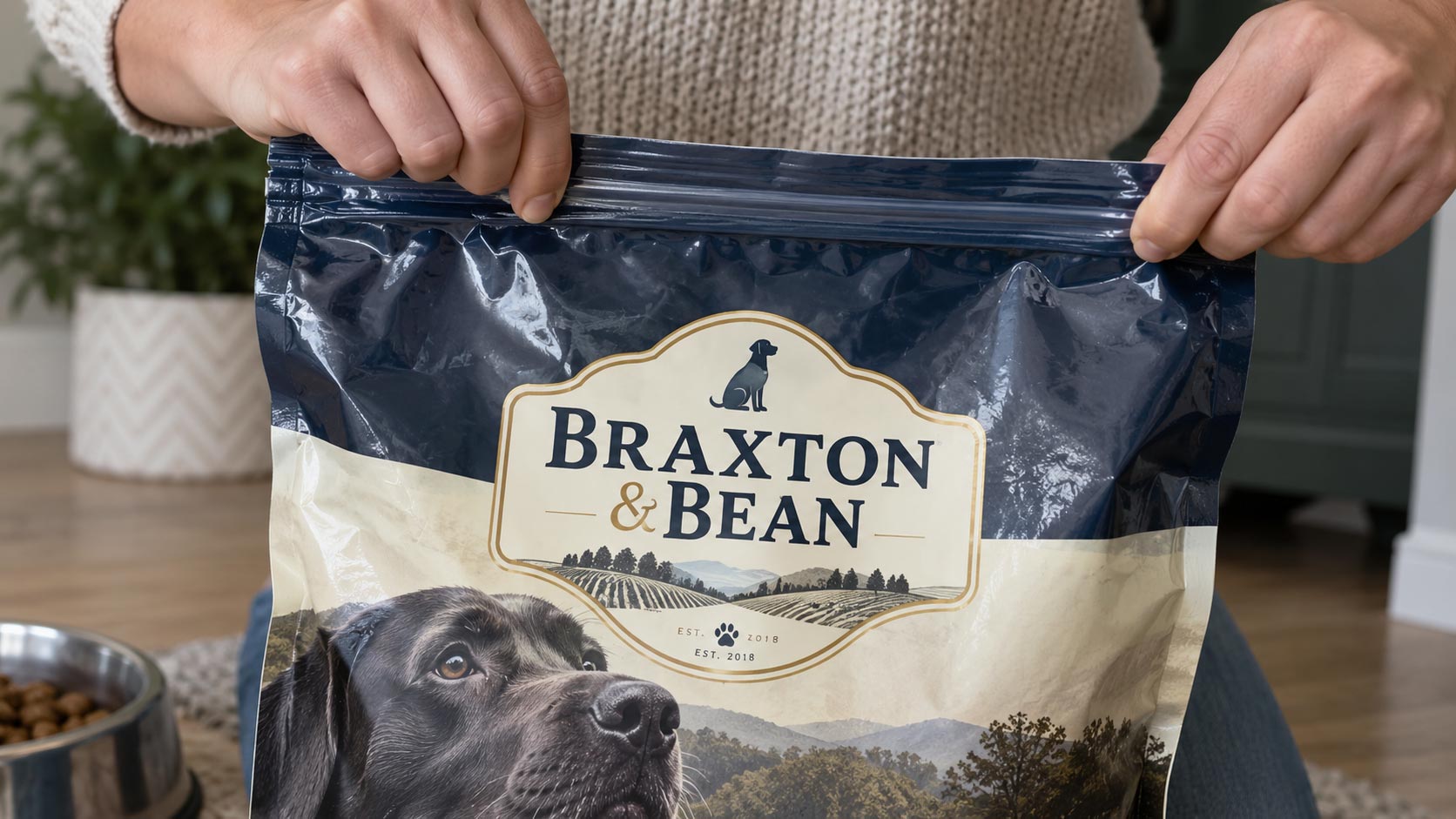
- Press-to-close zippers are the classic resealable strip you pinch shut. They are simple, low cost, and expected on most pet products today.
- Slider zippers add a small plastic slider you pull across the top, which is easier for older hands and feels a step more premium.
- Pocket zippers sit just below the top seal, so the customer tears off a strip to open and still has a full zipper underneath, which keeps the opening clean and tamper aware.
- Tin ties are the bendable strip along a fold-over top, common on treat and coffee-style bags for a rustic, handmade look.
- Hook-and-loop strips give a soft, quiet reseal that works well on smaller treat pouches.
Where the Degassing Valve Fits, and Where It Does Not
A degassing valve often gets lumped in with closures, but it is a different tool, and mixing them up leads to wasted money. A valve is a small one-way vent that lets gas escape from inside the bag without letting air back in. It does nothing to reseal the bag after a customer opens it.
Most dry kibble does not need a valve at all. It becomes useful for products that keep releasing gas after they are sealed, like freshly baked treats or some freeze-dried and raw foods. If you make those, our raw and freeze-dried packaging pairs a valve with a high barrier so the food vents safely in the bag and still stays protected on the shelf.
Match the Closure to the Product
The easiest way to choose is to start from the food and how it is used, not from a catalog photo. A treat given a few pieces at a time asks for something different than a giant bag of dog food scooped twice a day.
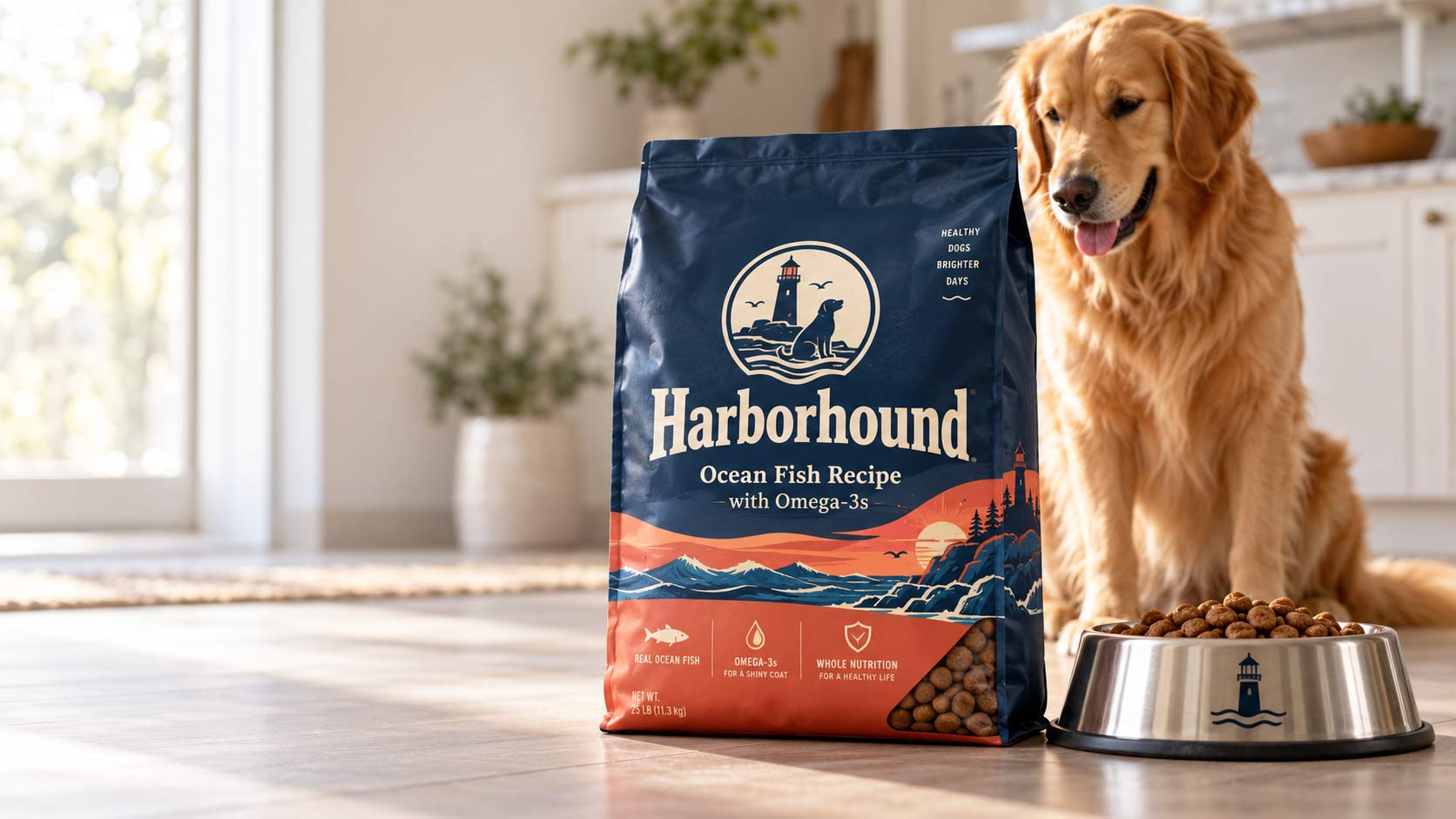
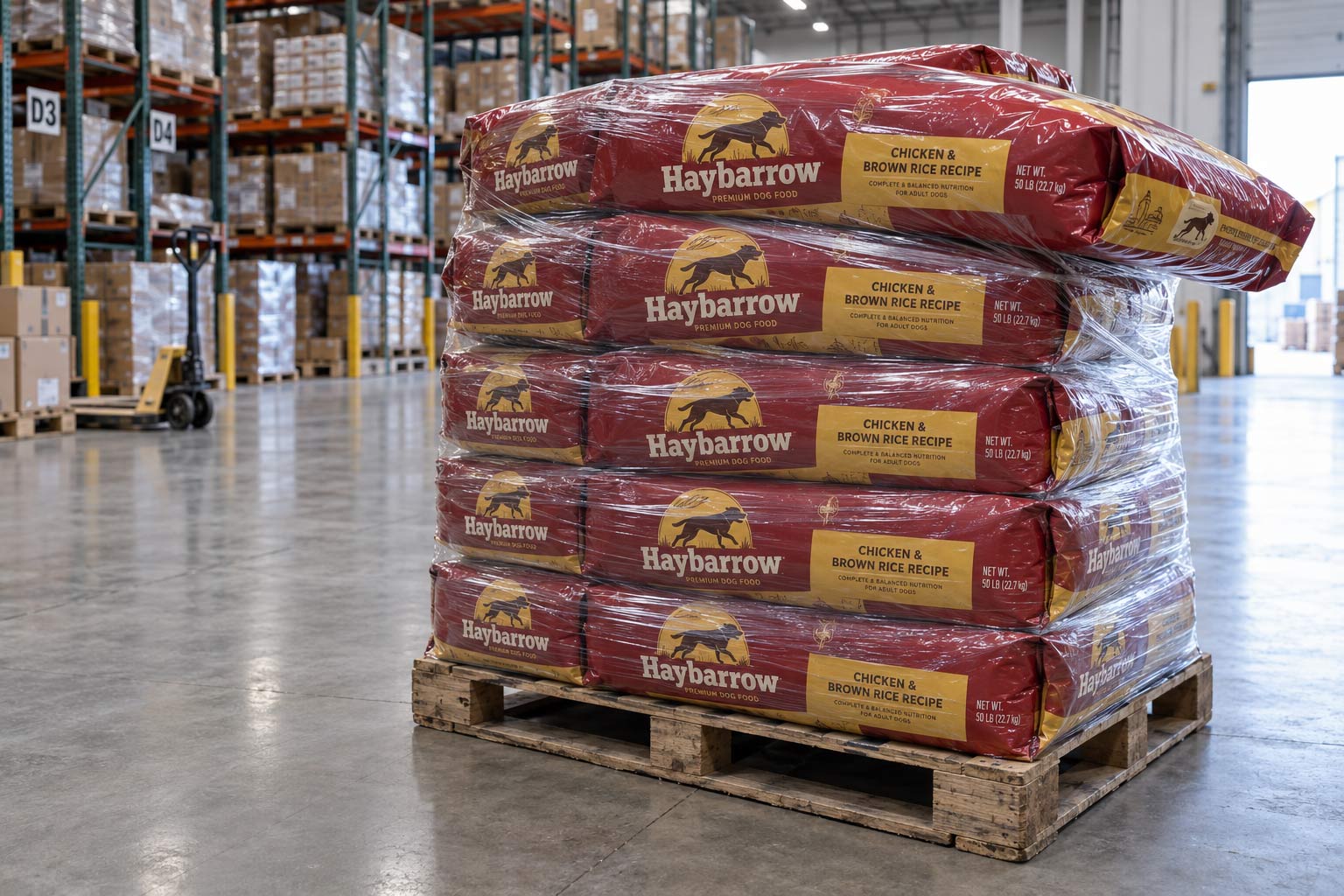
- Dry kibble and large dog food bags do best with a strong press-to-close or slider zipper on a flat-bottom or stand-up bag that stands up to daily handling.
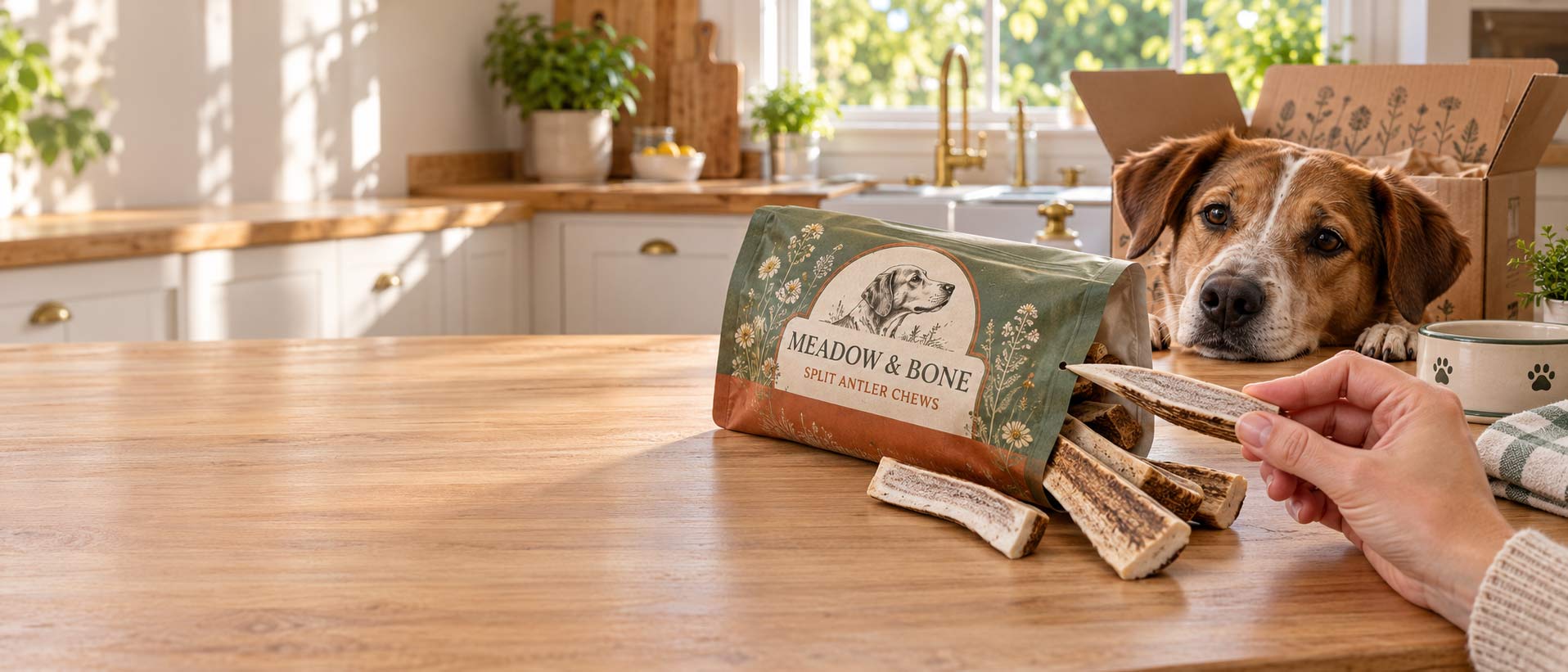
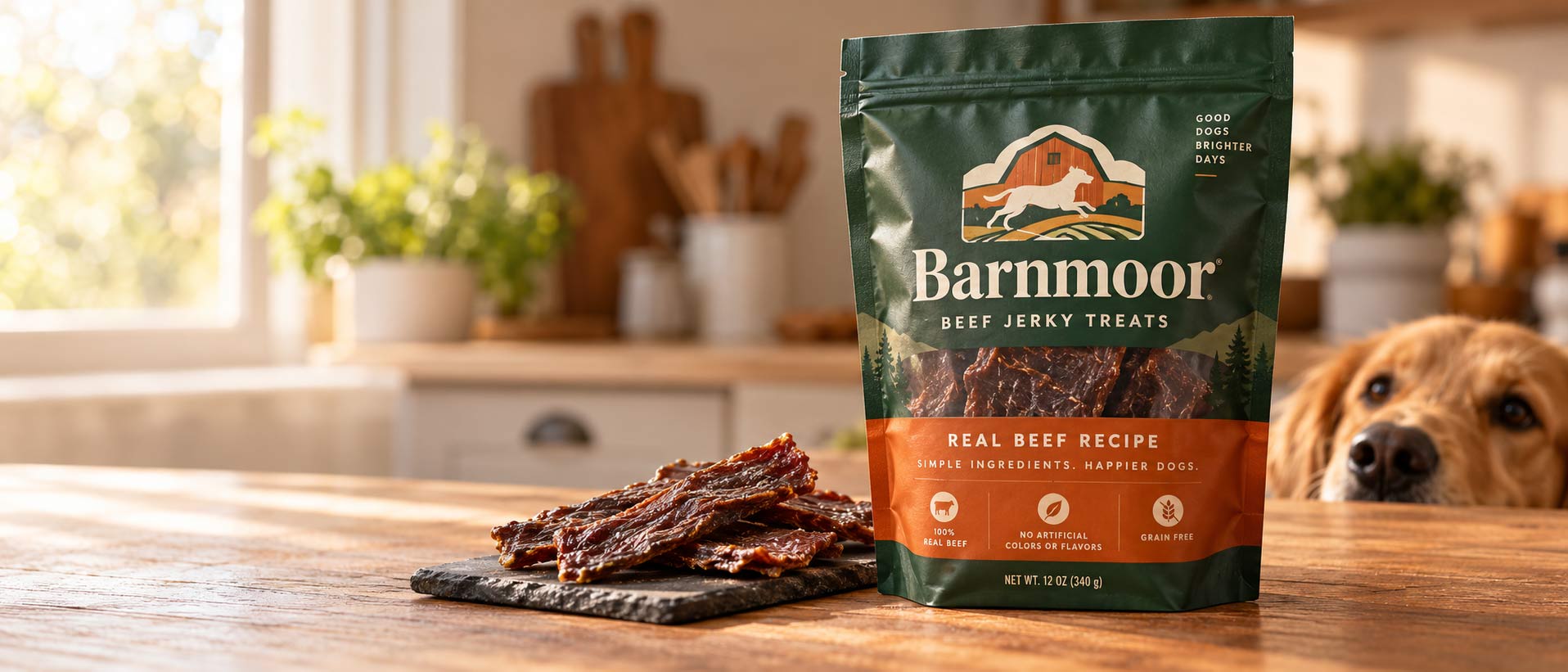
- Treats and chews suit a smaller resealable pouch, where a simple zipper or hook-and-loop strip keeps the last few pieces fresh. Our treat and chew packaging is built around that repeat-open habit.
- Raw and freeze-dried foods need the strongest reseal you can get, paired with a high barrier and sometimes a valve, because these products cannot risk stale air.
- Single-serve pouches and samples often need no reseal at all, just a clean tear notch, since they are used in one go.
Reseal and Barrier Do Two Different Jobs
It is worth saying plainly, because it trips up a lot of new brands. A closure keeps food fresh after the bag is opened. The barrier film keeps food fresh before it is opened, and while it sits between openings. You need both, and one cannot cover for the other.
A beautiful zipper on a thin, low-barrier bag will still let kibble go stale, because air seeps through the walls between scoops. A high-barrier bag with a closure that will not stay shut leaks freshness every time it is used. When you spec custom pet food bags, ask about the closure and the barrier as two separate decisions, and make sure both fit your product.
Small Details That Win Loyalty
Once the basics are right, a few small choices turn a good bag into one customers reach for again. These details cost little and are the kind of thing a pet owner notices without quite knowing why.
- Make the bag easy to open and close for older hands, since a stiff zipper is a daily annoyance that pushes people toward a different brand.
- Give the bag enough height above the fill line so the zipper is not fighting a bag stuffed to the top.
- Add a clear press line or color cue so the customer knows the bag is truly sealed.
- Keep the reseal consistent across your line so your brand feels dependable from the small treat pouch to the big food bag.
Wrapping It Up: Freshness That Lasts to the Last Scoop
A resealable pet food bag looks like a small feature, but it is one your customers touch every single day. The closure keeps kibble crunchy, keeps treats fresh, keeps pests out, and keeps the person feeding your food happy to buy it again. Start from the product, pick the closure that matches how it is used, and back it with the right barrier so the bag protects your food from the first scoop to the last.
Choose the reseal your customers will thank you for, and the bag quietly does its job long after the sale, which is exactly how a pet brand earns loyalty one feeding at a time.
Ready to Create Packaging Your Pets (and Customers) Will Love?
Let's bring your brand to life.
Get Started Today