
Pest-Resistant Pet Food Bags: Why Rodents and Moths Get Into Some Bags and Not Others
A chewed bag in a customer's garage feels like their problem, right up until the review lands on your product page. Pests do not choose bags at random, they follow the smell, and the same barrier that keeps kibble fresh is what keeps that smell inside. Here is what makes a pet food bag hard to find and hard to get into.
Overview
Ask any pet brand that has been around a few years and they will tell you about the photo. A customer sends a picture of a bag with a ragged hole near the bottom and kibble spilled across a garage floor, and they want to know what kind of operation lets bugs or mice into a sealed bag of food.
It almost never happened at your plant. It happened in their house, weeks later, and the bag is still part of the story, because pests do not pick a bag at random. They follow a smell, and they get in where the bag is weakest. This guide covers why pet food is such a target, where the damage really starts, and what actually makes a bag harder to find and harder to open.
Pests Do Not Find Your Bag by Looking
This is the part most brands have never been told. Rodents and pantry pests navigate by scent, and pet food is one of the most aromatic products in flexible packaging. High fat, high protein, roasted, and often coated with palatants designed to smell irresistible to an animal from across a room. A mouse has a far better nose than the dog the food was made for.
That flips how you should think about barrier film. A barrier is usually sold as protection from the outside, keeping oxygen and moisture away from the food. It is doing a second job at the same time, which is holding the aroma inside the bag. A bag that leaks smell is a bag that advertises itself, night after night, in a dark garage.
So the first line of defense is not toughness. It is containment. The bag that never gets chewed is usually the bag nothing came looking for.
The Damage Usually Starts Somewhere Else
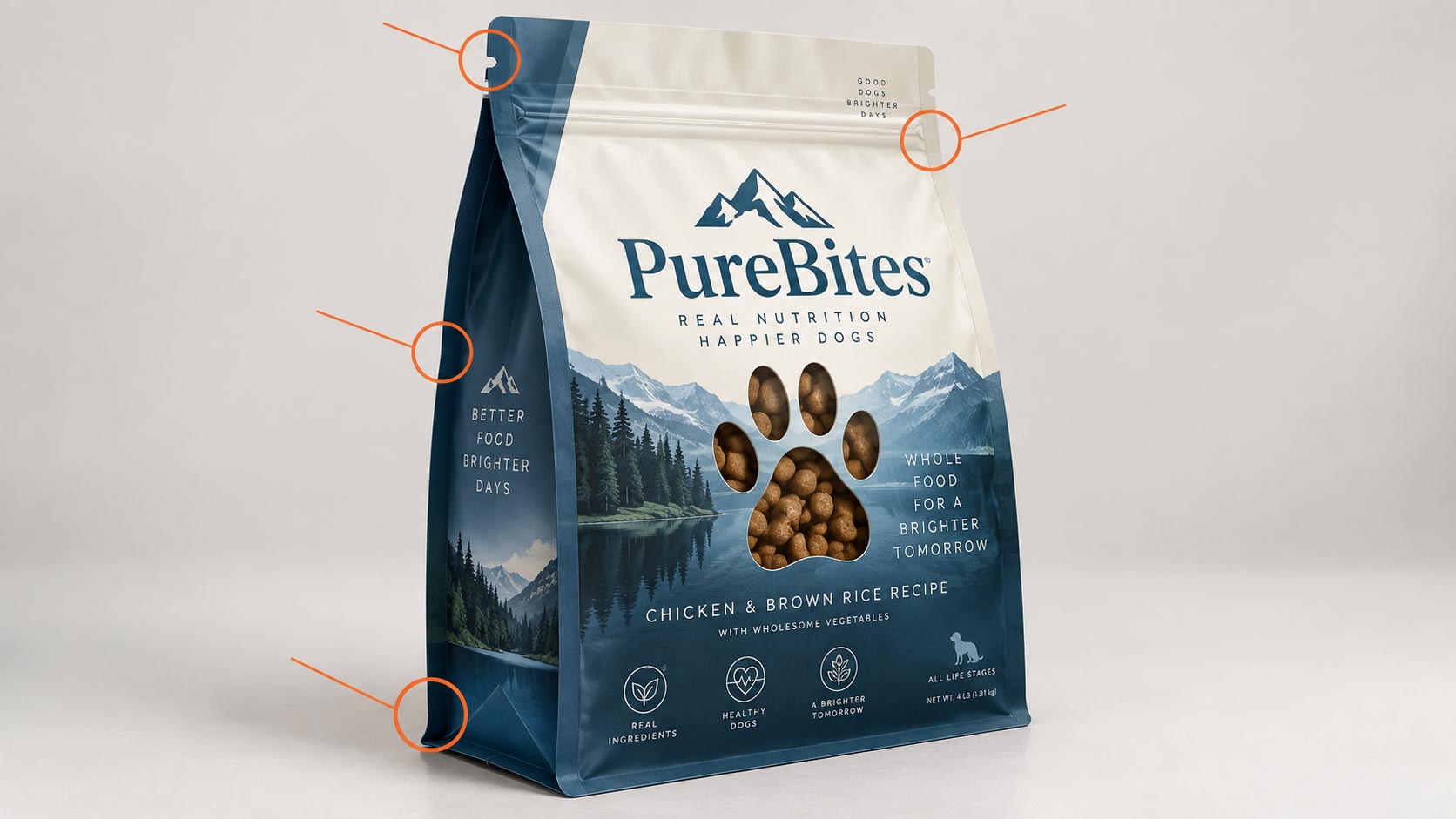
A sealed bag of kibble does not simply spring a leak. Something opens a small path first, the smell gets out, and the chewing follows. Those small paths are predictable, and almost all of them happen after the bag leaves you.
- Pinholes from abrasion, since kibble is hard and angular and a heavy bag rubbing inside a case for a few thousand miles wears at the film from the inside.
- Flex cracking along the bottom gusset, where the bag bends every time it is picked up, set down, and dragged across a shelf.
- The tear notch and the top strip, which is a deliberate weak point you built in, and it stays weak after opening.
- Seal edges that were made on a fast line with a little product dust caught in them.
- The zipper track, where kibble crumbs and fat residue collect and keep smelling like food even when the bag is shut.
None of these leak product. They leak scent, which is all it takes. A hole you cannot see without holding the bag up to a light is enough to bring something to it.
Being Honest About What a Bag Can Stop
No flexible package is rodent proof. A determined rat will get through film, paper, thin plastic, and a surprising amount of cardboard, and anyone who tells you their bag stops that is selling you something. Pantry moth larvae are the smaller problem and the more common one, and they can work through a single thin layer of polyethylene, which is exactly what a cheap bag is on the inside.
What a good bag does is change the odds. It holds the smell in so fewer pests come looking. It resists the punctures and abrasion that start the whole chain. And it survives real handling long enough that a small flaw never opens up in the first place. That is a meaningful difference on a shelf full of competing bags, even though it is not a guarantee.
What Actually Makes a Bag Harder to Get Into
When you spec a bag with this in mind, the changes are not exotic. They are choices about structure, and most of them pay for themselves in fewer damage claims.
- A metallized or foil layer in the laminate, which holds aroma in far better than a clear film and adds a layer that is genuinely unpleasant to chew.
- A tougher outer film and a heavier overall structure, so the bag resists punctures from its own contents during shipping.
- Wide, clean seals, because a narrow seal has less margin when a line runs hot or fast.
- A closure that truly reseals rather than folds over, since a bag that stays open in a pantry is an open invitation. Our guide to resealable pet food bags breaks down the closure options in detail.
- A bottom design that can sit on a hard floor and be handled daily without cracking along the fold.
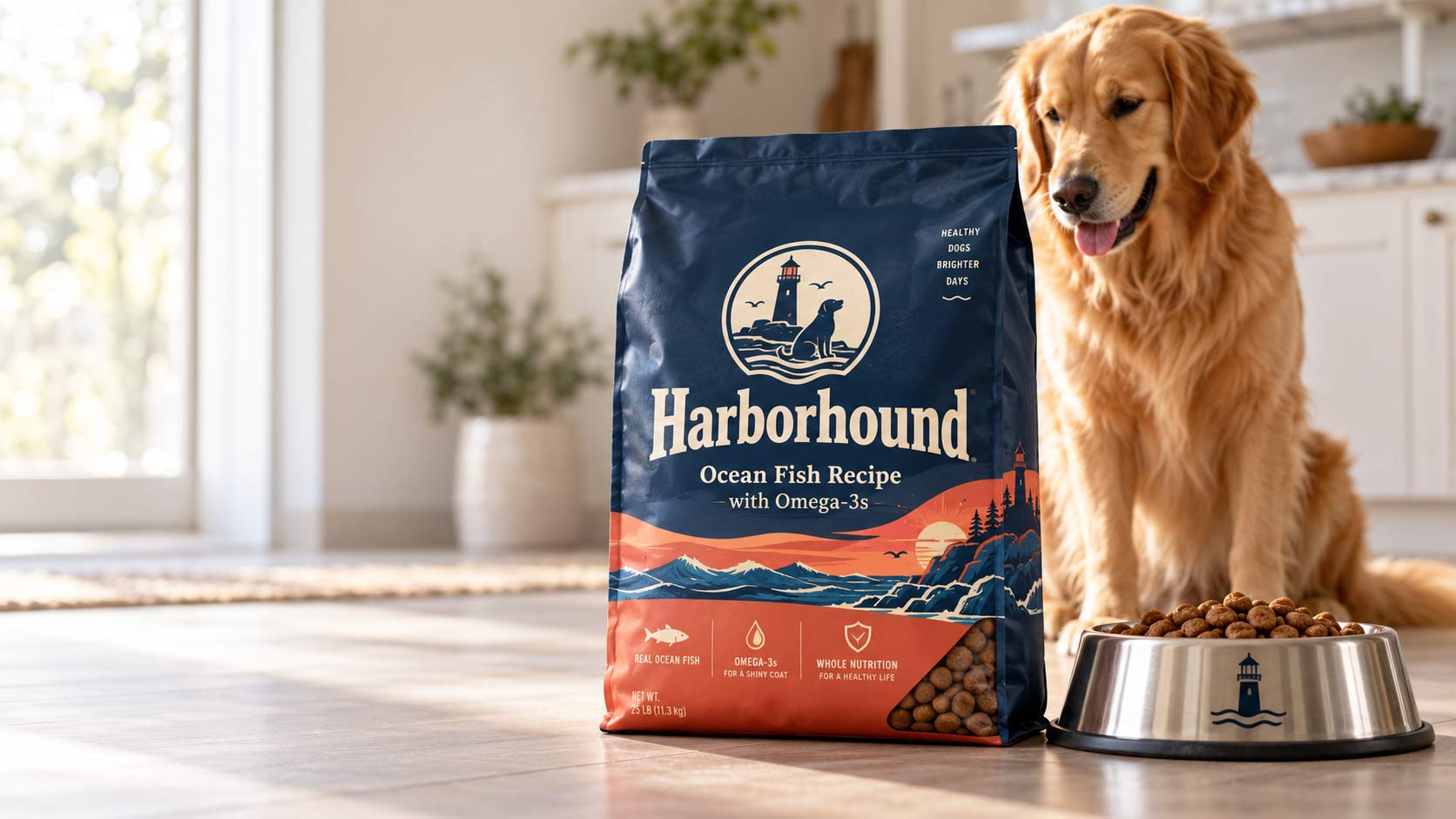
Larger formats take the worst of this, because they are heavy, they get dragged, and they sit open the longest. If you are running big dry formats, it is worth going through this list carefully when you spec your kibble and dry food bags.
Where the Bag Lives Is Part of the Spec
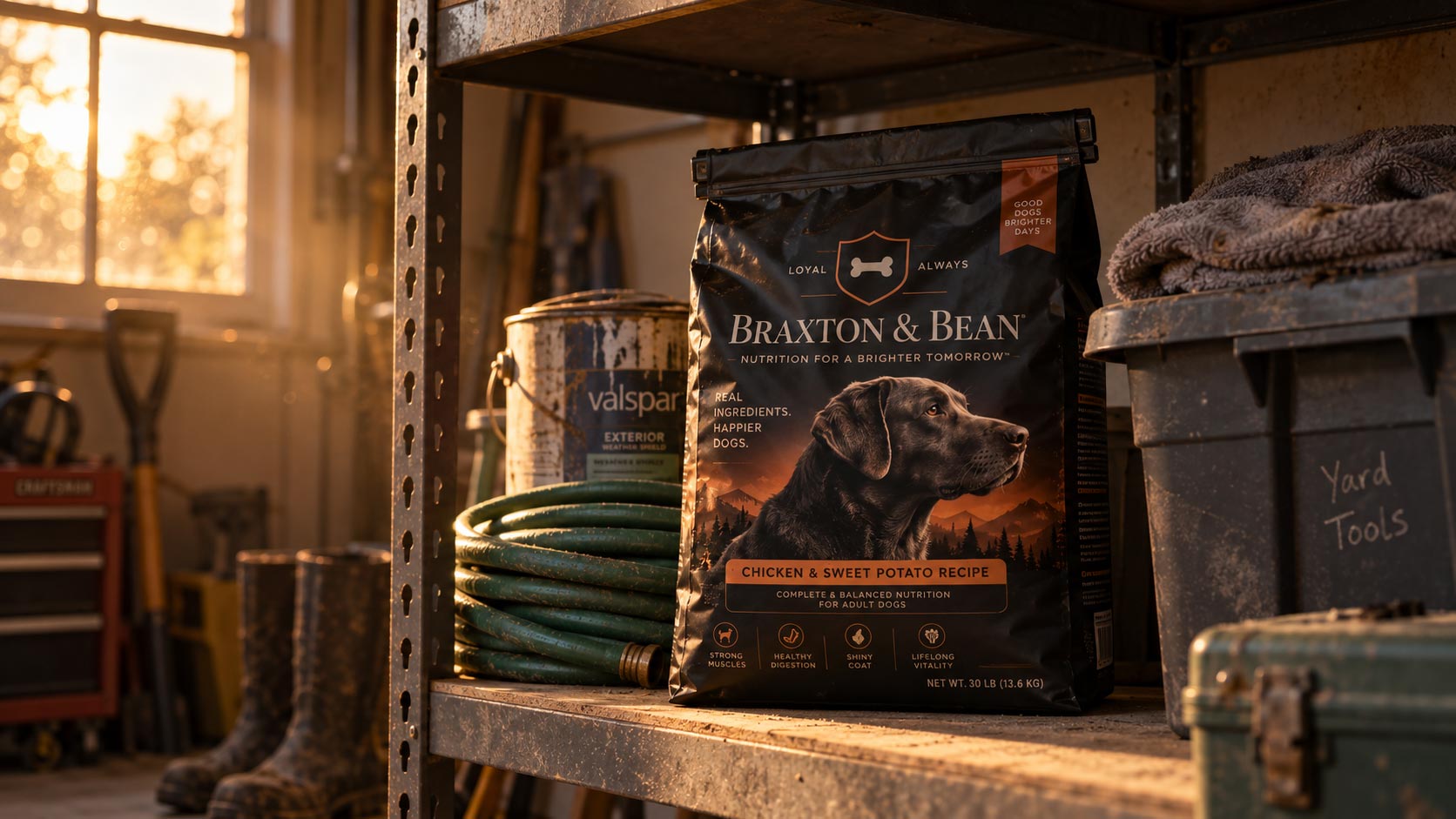
Your bag was designed under good lighting in a clean room. It will spend its life in a garage, a mud room, a laundry closet, a covered porch, or on a pantry floor. Those are warm, humid, dusty places, and they are exactly where pests already are.
Design for that reality rather than for the photo studio. A bag that will sit on a concrete floor needs a bottom that tolerates moisture and abrasion. A bag that will be lifted twice a day with one hand needs a top that does not tear at the notch. It is also worth printing simple storage guidance on the bag, telling the customer to keep it sealed and off the floor, because that costs you nothing and prevents a share of the complaints outright.
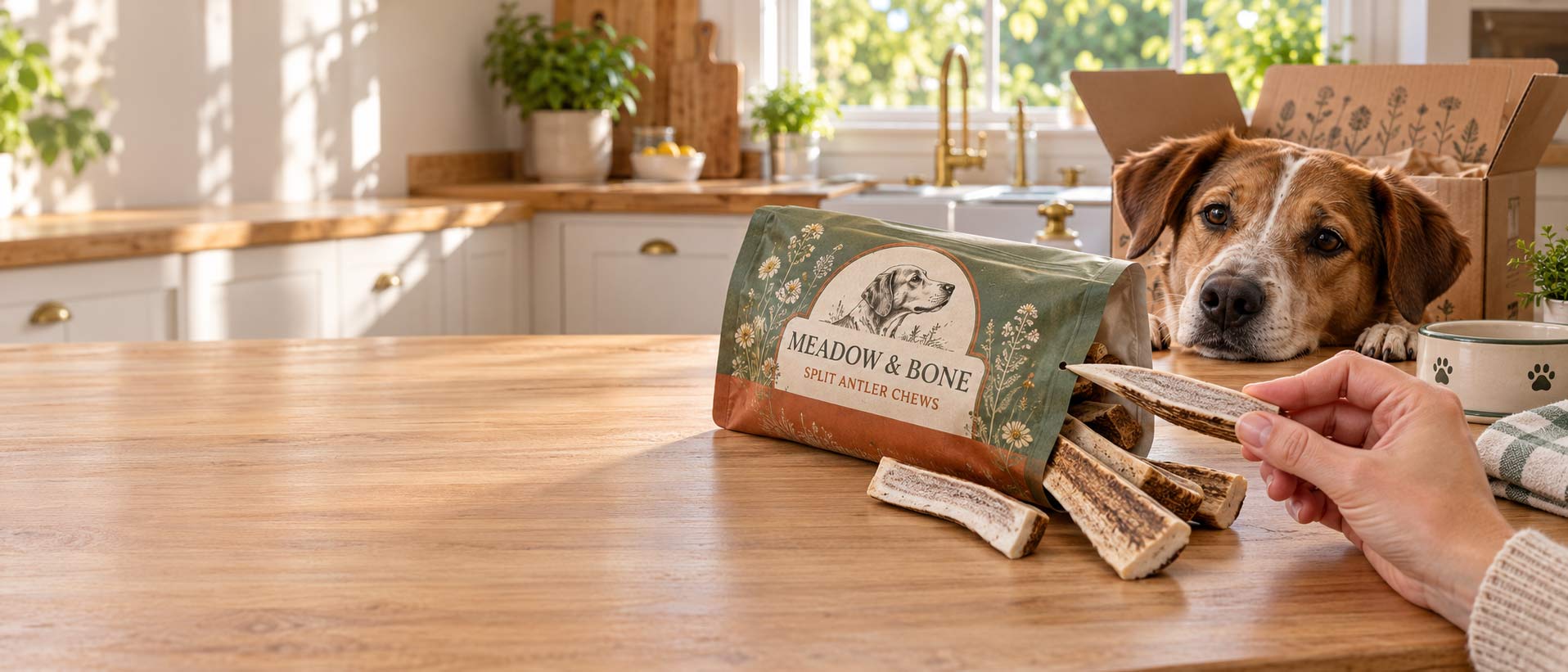
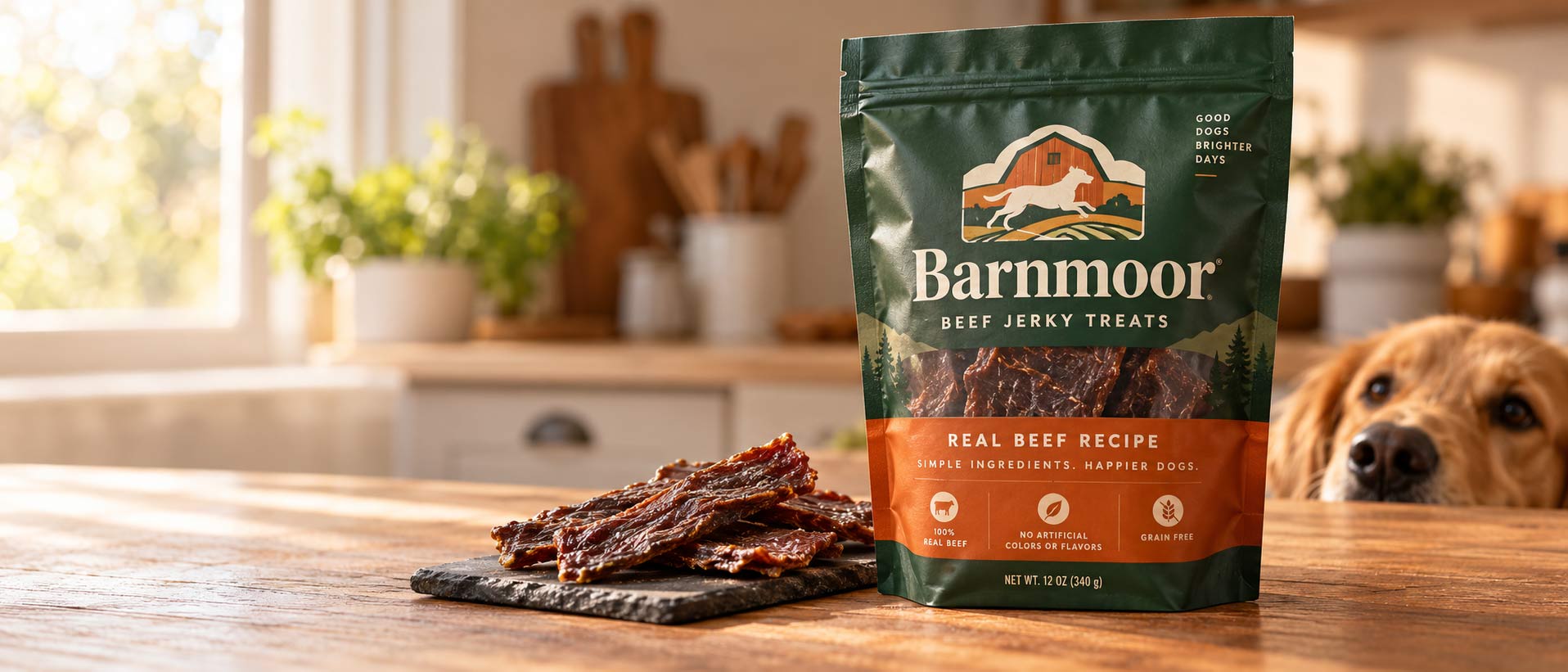
Treats are their own case. They are smaller, sweeter or fattier, and they often sit open on a counter for weeks between uses, so the reseal matters even more than the film does. Our treat and chew packaging is built around that pattern.
When the Complaint Lands, Trace It
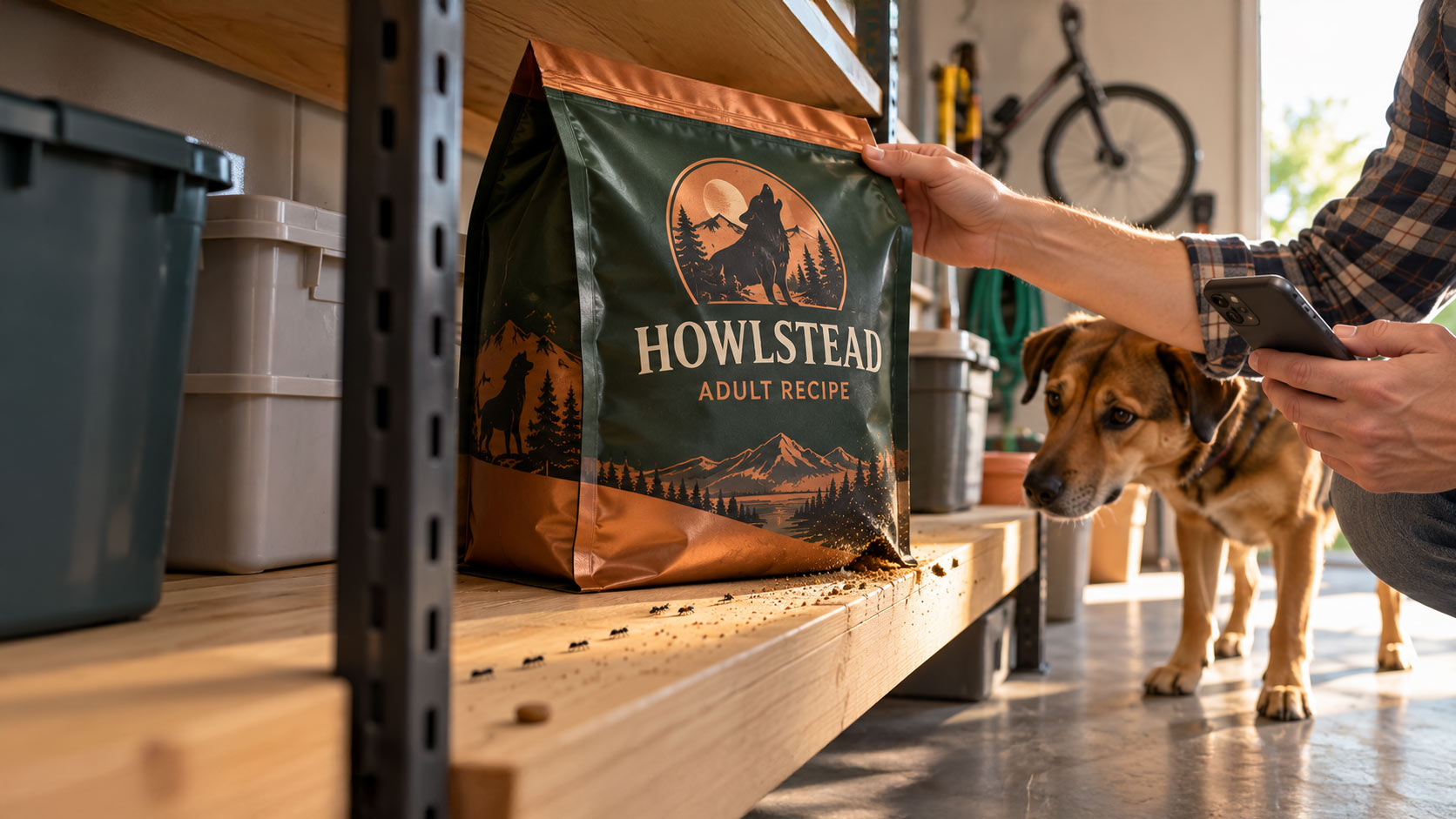
If a customer sends you that photo, the damage pattern tells you most of what you need to know. Chew marks radiating out from one ragged hole mean it was opened from the outside, in their home, after purchase. Fine webbing and small larvae mean pantry moths, which usually enter through an existing opening or come from something else already in that pantry.
What should worry you is a pattern. One bag is a customer's garage. Several bags from the same production date or the same distributor points at your structure or your shipping, and that is worth solving at the source. Keep the photos, note the lot codes, and look for the overlap. When you are ready to change something, spec it deliberately rather than reactively, which is the whole point of building a custom pet food bag around how your product is actually stored.
Wrapping It Up: The Bag That Never Sends an Invitation
Pest damage looks like a toughness problem and it is really a scent problem. The aroma that makes your food appealing to a pet makes it just as appealing to everything else, and the bag is the only thing standing between that smell and a curious nose. Hold the aroma in with a real barrier, build a structure that survives the trip without pinholes, and give the customer a closure that actually shuts.
Do that and your bag stops advertising itself in the dark, which is a quieter kind of quality that your customers will never notice and will never have to.
Ready to Create Packaging Your Pets (and Customers) Will Love?
Let's bring your brand to life.
Get Started Today